Ultrafine powder grinding

kaolin 1

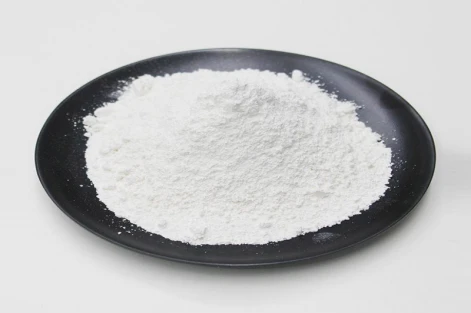
Kaolin: The Expert in Oil Control for Cleansing Cosmetics

I. Kaolin as an Oil-Control Expert A. Introduction to Kaolin Kaolin is a naturally occurring, fine white clay widely used in cleansing cosmetics for its exceptional oil-absorbing properties. Kaolin clay serves as a key raw material for oil control, matrix filling, and soothing repair, thanks to its excellent absorbency, mildness, and fine texture.Known for its […]

Kaolin: The Expert in Oil Control for Cleansing Cosmetics Read More »

Limestone Grinding ball mill

7 Key Differences Between Ball Mills and Rod Mills Explained

Choosing between a ball mill and a rod mill can make or break your grinding circuit’s efficiency. Both serve critical roles in mineral processing, but their grinding mechanisms and output properties differ significantly. If you need to optimize for particle size distribution, energy use, or downstream recovery, understanding the seven key differences between these mills

7 Key Differences Between Ball Mills and Rod Mills Explained Read More »

PE Wax

Ultra-Fine Grinding Solutions for High-Performance Calcium Carbonate in Plastics

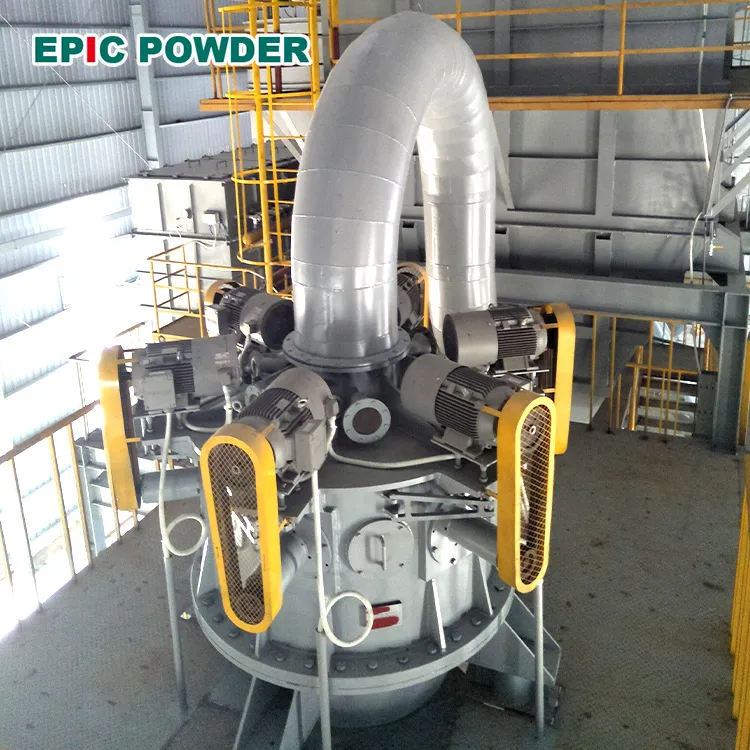
Epic Powder Machinery Co., Ltd. is a leading Chinese manufacturer specializing in vertical roller mills (SRM series) and high-precision turbine air classifiers (HTS series). With over 20 years of experience and many successful installations worldwide, Epic Powder delivers industry-leading particle size control, narrow distribution, high throughput, and outstanding energy efficiency. Our flagship SRM series roller

Ultra-Fine Grinding Solutions for High-Performance Calcium Carbonate in Plastics Read More »

ring roller mill

Heavy Calcium Carbonate: Grinding, Surface Modification Technologies, and Equipment

Heavy calcium carbonate (GCC) is a powdered calcium carbonate material produced by mechanically grinding raw minerals such as calcite, chalk, and marble. It is characterized by its wide availability of raw materials, high whiteness, low oil absorption, good applicability, and low cost. Currently, it is the most extensively used and highest-volume inorganic non-metallic mineral powder

Heavy Calcium Carbonate: Grinding, Surface Modification Technologies, and Equipment Read More »

image

Classification of Quartz Materials

The journey of quartz from a raw mineral to a high-performance industrial material begins with precise quartz stone grinding and a deep understanding of its fundamental characteristics. This article provides a detailed overview of quartz material classification, its key physical and chemical properties, and its diverse industrial applications, highlighting why this material is indispensable in

Classification of Quartz Materials Read More »

Jet mill on site 10

8 Key Concepts of Bentonite Explained: Your Ultimate Guide

1. Bentonite Bentonite, also known as “montmorillonite clay,” is a non-metallic mineral with montmorillonite as its core component. It often contains small amounts of illite, kaolinite, zeolite, feldspar, and calcite. The practical value of bentonite depends directly on its montmorillonite content. For applications requiring ultra-fine bentonite powders, jet mill pulverization offers a superior solution. 2.

8 Key Concepts of Bentonite Explained: Your Ultimate Guide Read More »

Ultrafine calcium carbonate(UCC)

Key Technical Indices of Ultrafine Calcium Carbonate: Preparation by Grinding and Performance Requirements in Diverse Applications

The key technical specifications of ultrafine calcium carbonate—particle size, specific surface area, crystal form, and oil absorption—directly impact its application performance. While other indicators are important, they are relatively easy to achieve industrially. For specialized products, different applications place varying emphasis on various indicators and require different requirements. Particle Size and Specific Surface Area The

Key Technical Indices of Ultrafine Calcium Carbonate: Preparation by Grinding and Performance Requirements in Diverse Applications Read More »

Calcium Carbonate in Negative Electrode Materials

What Are the Roles of Calcium Carbonate in Negative Electrode Materials

Driven by global energy transition and “dual-carbon” strategies, lithium-ion batteries are core components of electric vehicles and energy storage systems. Their performance improvement and cost reduction are key industry priorities. Negative electrode materials, the “energy heart” of lithium batteries, determine capacity, cycle life, and safety. Traditional graphite anodes, nearing their 372 mAh/g capacity limit, cannot

What Are the Roles of Calcium Carbonate in Negative Electrode Materials Read More »

Matting calcium carbonate

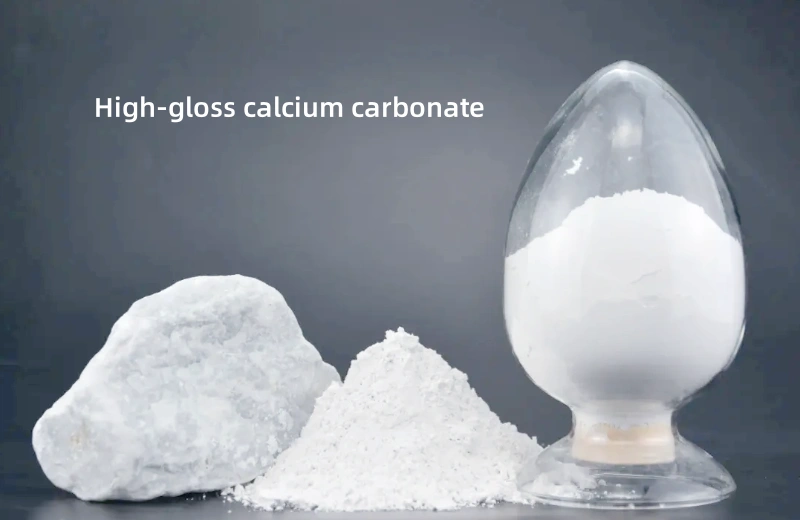
Why Matting Calcium Carbonate is Essential for Modern Matte Finishes ?

Matting calcium carbonate generally refers to calcium carbonate products used for matting purposes. Its main function is to adjust the gloss of material surfaces, making them appear low-gloss or matte. Characteristics Excellent matting performance Uniform particle size Good chemical stability High whiteness Applications Coatings industry Plastics industry Paper industry Other industries It also has applications

Why Matting Calcium Carbonate is Essential for Modern Matte Finishes ? Read More »