
Choosing between a ball mill and a rod mill can make or break your grinding circuit’s efficiency. Both serve critical roles in mineral processing, but their grinding mechanisms and output properties differ significantly. If you need to optimize for particle size distribution, energy use, or downstream recovery, understanding the seven key differences between these mills is essential. In this guide, you’ll get a clear comparison that help you decide when to specify a ball mill or a rod mill.
Point vs. Line Contact
Understanding the core physics behind ball mills and rod mills starts with the type of contact between the grinding media and the material. This difference drives their grinding behavior, efficiency, and application suitability.
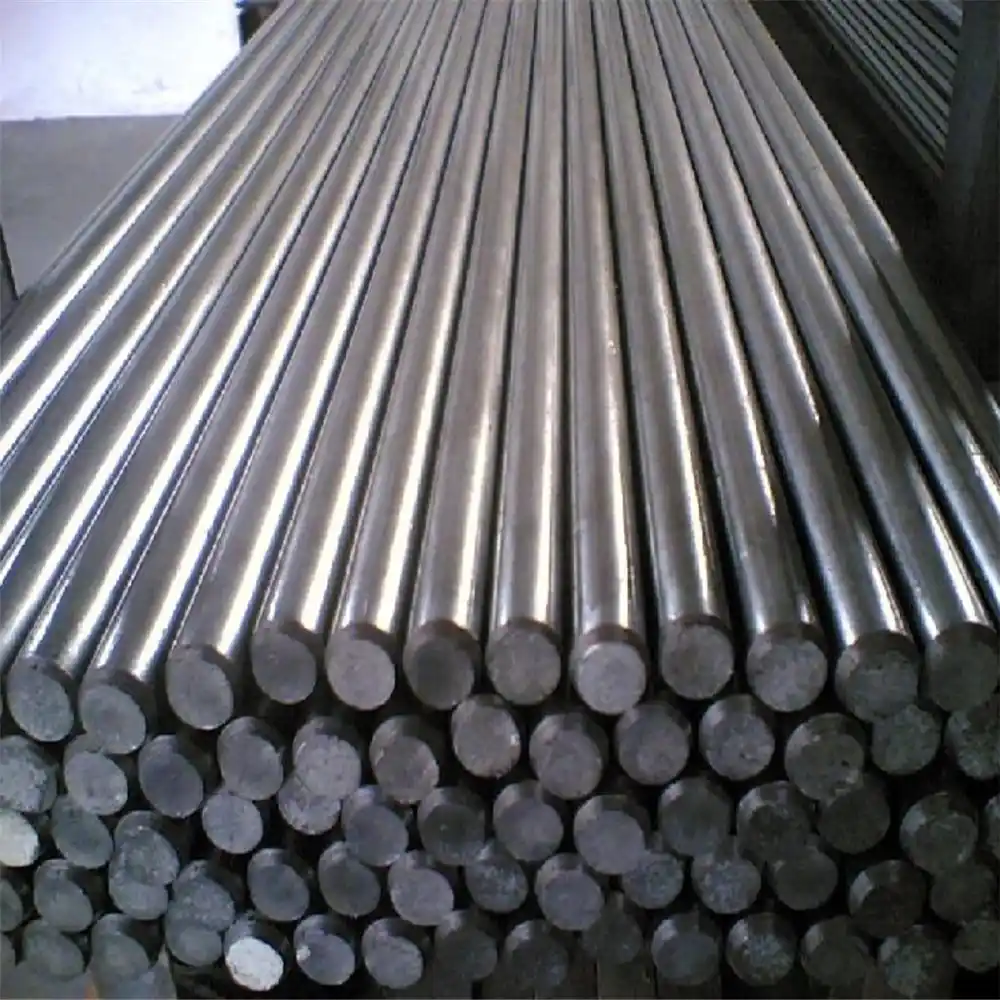
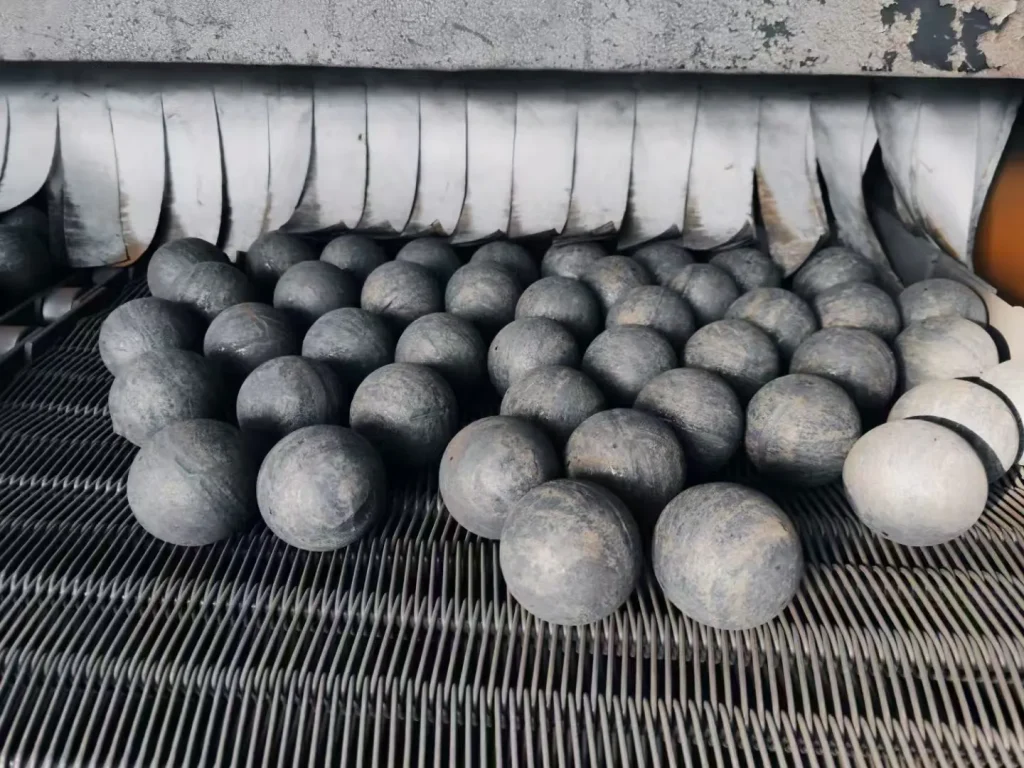
- Ball Mills: Point Contact Mechanism In ball mills, the grinding occurs primarily through point contact. Steel or ceramic balls impact and crush particles by hitting single points on the material surface. This creates intense localized forces and results in efficient size reduction through impact and attrition. The point contact mechanism promotes fine grinding, breaking particles into smaller sizes. However, it can also generate more slime and over-grinding if not controlled.
- Rod Mills: Line Contact Mechanism In contrast, rod mills use long steel rods as grinding media. This establishes line contact with the particles. It means the rods grind by rolling and tumbling in parallel alignment, applying compressive forces along a line rather than at discrete points. The line contact promotes a screening effect, limiting over-grinding and producing a more uniform granular product typically used in coarse grinding or preparation for further processing like gravity separation.
In essence, point contact in ball mills delivers high energy impact for fine comminution, while line contact in rod mills offers gentler grinding and better control over particle size distribution. For operational efficiency and consistent results, knowing this physics difference helps tailor the mineral processing circuit effectively. As your trusted partner, Epic Powder understands these core mechanics to help you select the right mill type and optimize your grinding process.
Grinding Media Characteristics
The type of grinding media plays a key role in the performance of ball mills and rod mills. Ball mills use steel or ceramic balls that vary in diameter to grind materials efficiently. These balls provide point contact with the particles, leading to impact and attrition forces that help break down the material. The density and round shape of these balls contribute to a high comminution efficiency and often generate finer particle size distribution.
In contrast, rod mills use long, high-carbon steel rods as their grinding media. These rods create line contact with the material inside the mill. They promote a cascading motion and an effective screening effect. This helps to reduce over-grinding and produces a more uniform granular product. The shape and density of the rods are crucial to preventing tangling, which ensures consistent grinding and improves overall throughput.
Selecting the right media type depends heavily on the desired particle size, reduction ratio, and energy consumption of your mineral processing circuit. For more details on grinding and processing techniques, you might find useful insights in the complete limestone grinding process overview.
Barrel Structure
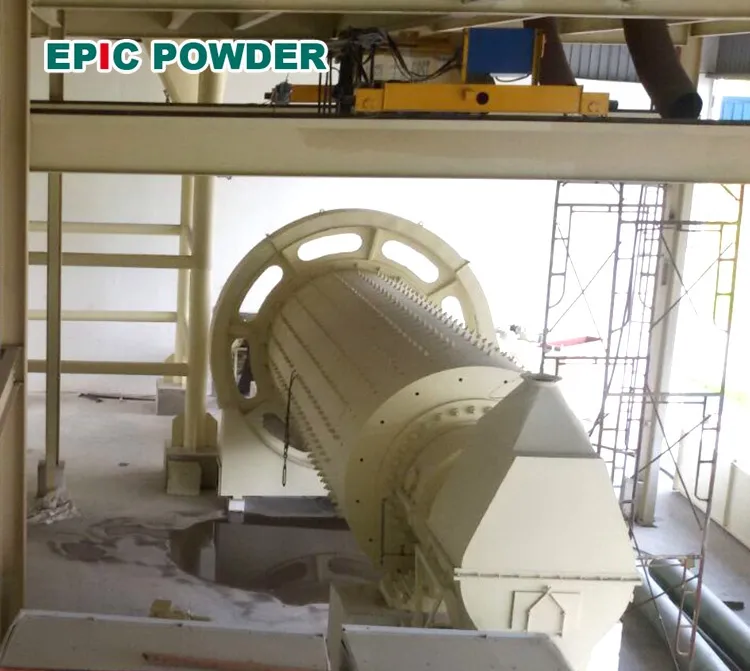
One clear difference between ball mills and rod mills lies in their barrel structure, specifically the length-to-diameter (L/D) ratio. Ball mills generally have a smaller L/D ratio, usually around 1:1. This compact design helps to ensure the steel or ceramic balls inside tumble freely, promoting effective grinding impact and preventing excessive media wear.
In contrast, rod mills feature a longer barrel with an L/D ratio ranging from 1.5 to 2.0. This extended length is essential to prevent the rods from tangling during operation. The longer barrel allows rods to align parallel, creating a stable cascade that provides line contact grinding while avoiding the risk of rod bunching. This design difference significantly affects the comminution efficiency and the overall milling process.
If you’re interested in how barrel shapes influence material flow, you might want to check out the details on conveyor solutions in related processing lines on our belt conveyor page.
Discharge Methods
When it comes to discharge methods, ball mills offer greater versatility compared to rod mills. Ball mills can use overflow, grate, or peripheral discharge, allowing operators to tailor the flow of material to specific grinding needs and optimize throughput. This flexibility makes ball mills suitable for a wide range of mineral processing circuits where controlling the pulp density and particle size distribution is critical.
Rod mills, however, are generally limited to overflow or open peripheral discharge systems. This limitation stems from the nature of the grinding media—long steel rods—which tend to create flow disturbances that can lead to clogging or uneven discharge if a grate type system is used. The rods’ line contact motion increases the chance of media tangling, making simpler discharge methods more reliable.
Due to this, ball mills can better manage the flow and handling of slurry, which affects the grinding efficiency and overall comminution process. Rod mills’ discharge design ensures a smoother passage but at the cost of less control over the material flow. This is an important consideration when choosing the right mill type based on the desired production output and material characteristics.
For more on optimizing particle size and slurry flow in grinding stages, exploring advanced methods like those in calcium carbonate modification technology can be insightful.
Grinding Efficiency and Reduction Ratio
Ball mills are known for their high reduction ratio, making them ideal for fine grinding where you want to significantly reduce particle size. They consume more energy because they generate strong impact and attrition forces to break down materials into very fine powders, often producing a large amount of slimes. This fine grind is crucial in applications like cement, chemicals, or regrinding.
Rod mills, on the other hand, have a lower reduction ratio but are more energy-efficient when used for coarse grinding. Their line contact grinding mechanism produces a more uniform particle size distribution with less over-grinding. This makes rod mills a great choice for primary grinding in minerals processing circuits where preserving a controlled particle size is key.
In short, choose ball mills when you need fine output and high reduction ratio despite higher energy use, and opt for rod mills when energy efficiency and coarse grinding with uniform particle size are priorities. For more on grinding processes and efficiency, check out how ground calcium carbonate is produced in both dry and wet methods.
Particle Size Distribution
When it comes to particle size distribution, ball mills and rod mills produce quite different results. Ball mills typically create a finer output with a wider spread of particle sizes, including a higher proportion of slimes. They’re very fine particles that can be challenging to handle in downstream processes.
Rod mills deliver a more uniform product with a steeper size curve. They reduce fines through line contact grinding, producing coarser, more consistent material. This is ideal for mineral processing where controlling particle size matters.
For industries like coatings or ultrafine powder production, understanding these differences helps select the right mill; you can check the applications of calcium carbonate in coatings industry or how ultrafine grinding impacts powder characteristics for deeper insights.
Filling Rate
The filling rate, or media load, is a key factor influencing the grinding efficiency and operation safety of both ball mills and rod mills. Ball mills generally operate with a higher media fill, typically between 40% and 50% of the mill’s volume. This higher fill level supports a vigorous cascade of steel or ceramic balls. It can promote effective grinding impact and improved comminution efficiency.
In contrast, rod mills require a slightly lower media fill, usually around 35% to 45%. This ensures the long rods can properly cascade within the barrel without tangling or excessive wear. Maintaining this lower filling rate is essential to avoid rod breakage and to promote a smooth line contact grinding action that prevents uneven load distribution.
By carefully controlling the media load, rod mills deliver a more uniform grinding with less over-grinding. Ball mills focus on finer size reduction, albeit with higher power consumption. Selecting the right filling rate is crucial for optimizing the grinding efficiency and equipment lifespan in your specific mineral processing circuit.
Circuit Configuration: Open vs. Closed
Ball mills are typically used in closed circuit grinding systems, where classifiers or cyclones separate fine particles from the coarse material for regrinding. This setup improves comminution efficiency, reduces over-grinding, and helps maintain a consistent particle size distribution. Closed circuits are especially effective when targeting fine powders or when processing materials requiring strict size control, such as in cement or chemical industries.
On the other hand, rod mills are commonly found in open circuit operations, acting as the primary grinding stage. The rod mills produce a more uniform, coarser product with a steep particle size distribution curve. They’re ideal for feeding downstream processes like gravity separation or magnetic separation. Open circuits simplify operations and reduce equipment costs but may require additional screening or classification downstream.
For specific cases like calcium carbonate grinding, integrating the right mill type into the circuit affects final product quality and efficiency. The choice between rod and ball mill in circuit design is critical. You can find detailed information on grinding and classifying systems tailored to mineral processing on resources. For instance, the grinding and classifying system for the production of calcium carbonate.
Understanding the right circuit configuration helps optimize energy use, maximize throughput, and improve the overall grinding process in your mineral processing circuit.
Application Scenarios: Which One Should You Choose?
Choosing between a ball mill and a rod mill depends largely on your grinding needs and the material characteristics. Here’s a simple guide to help you decide:
| Scenario | Choose Ball Mill | Choose Rod Mill |
|---|---|---|
| Grinding type | Fine grinding, regrinding | Coarse grinding |
| Material type | Cement, chemicals, non-metallic minerals | Brittle ores, gravity separation feed |
| Particle size target | Very fine, generating more slimes | Uniform granular product, less over-grinding |
| Energy consumption | Higher, suitable for smaller, finer output | More energy-efficient for primary grinding |
| Circuit setup | Often in closed circuits with classifiers | Typically used in open circuits |
| Application examples | Grinding in cement production, chemical powders | Preparing feed for magnetic separation, coarse grinding |
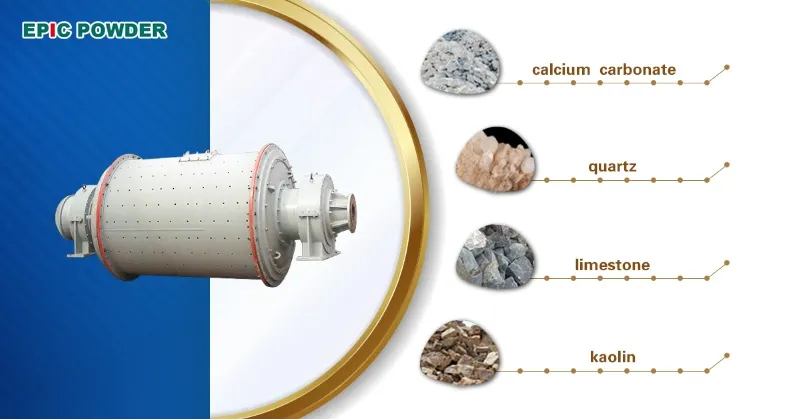
The Epic Powder Ball Mill is ideal for fine grinding where you want a precise particle size distribution with fewer oversized particles. It works great in cement manufacturing and chemical grinding where the product quality demands fineness and purity.
On the other hand, rod mills shine where you need to grind ores in the initial stages — like coarse grinding in mineral processing circuits. They help in producing uniform particles without generating too many slimes, which is essential for processes like gravity or magnetic separation.
If unsure about the best mill to use, consider the material hardness, target particle size, and your plant’s circuit design. For an in-depth look at ball mills suitable for powder grinding, check out our detailed guide on ball mill machines, which covers their setup and application.
In , select a ball mill for fine, high-reduction ratio grinding and a rod mill for coarser, energy-efficient primary grinding. Both have their places, and the right choice can boost your comminution efficiency significantly.
Maintenance and Operational Considerations
When it comes to maintenance, ball mills and rod mills differ significantly due to their grinding media wear patterns and reloading methods. Ball mills experience more uniform ball wear, allowing for easier topping up of steel or ceramic balls during operation with minimal downtime. This makes them more convenient for continuous grinding processes.
Rod mills, on the other hand, face unique challenges. The rods tend to wear unevenly, often tapering at the ends, and there’s a risk of rod breakage if the loading or cascading isn’t properly managed. Replacing or handling long high-carbon steel rods requires more downtime and careful inspection to avoid operational hiccups.
Overall, ball mills offer simpler media maintenance and quicker reloads, while rod mills demand more attention to the media load and wear monitoring to maintain optimal grinding performance. This difference impacts not only maintenance costs but also the comminution efficiency and smooth operation of the mineral processing circuit.
For a detailed understanding of how ball mill maintenance ties into overall system performance, check resources like our guide on the ball mill milling process.
Epic Powder
Epic Powder is specialized in fine powder processing technology for mineral industry, chemical industry, food industry, pharama industry, etc. Our team has more than 20 years experience in Various powders processing. We supply consultancy, testing, project design, machines, commissioning and training.

“Thanks for reading. I hope my article helps. Please leave a comment down below. You may also contact EPIC Powder online customer representative Zelda for any further inquiries.”
— Emily Chen, Senior Engineer