limestone

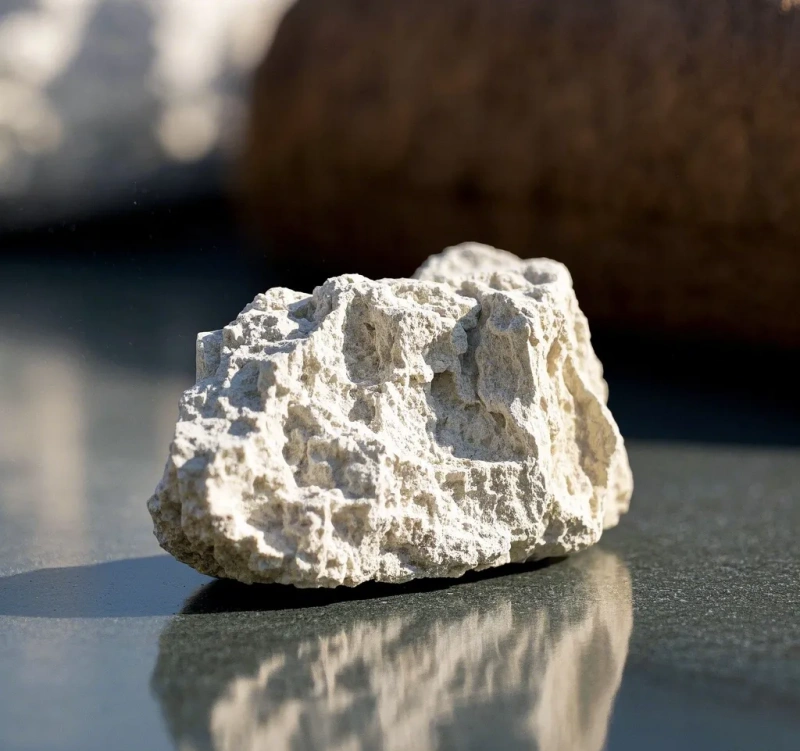
What kind of limestone is suitable for producing calcium carbonate?

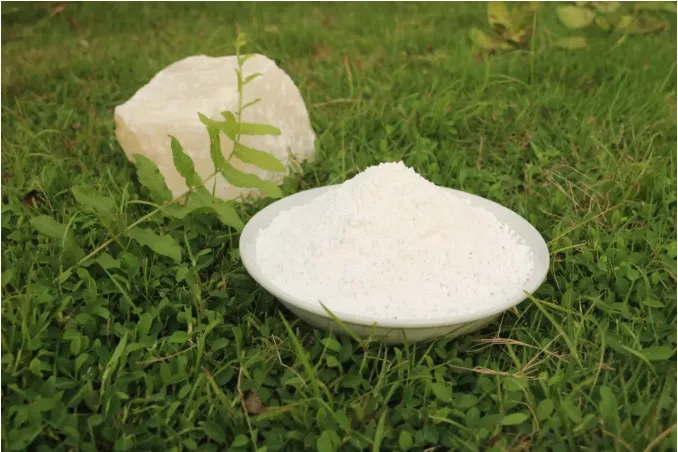
Limestone is a carbonate rock composed primarily of calcite (CaCO₃). It serves as a fundamental raw material for cement and construction aggregates, as well as a core raw material for new calcium-based materials such as calcium oxide (quicklime), calcium hydroxide (slaked lime), lightweight calcium carbonate (PCC), and nano-calcium carbonate. However, the grade of limestone varies

What kind of limestone is suitable for producing calcium carbonate? Read More »

Calcium Carbonate

2 Proven Methods to Precisely Control Particle Size in Light Calcium Carbonate

In the carbonation process of light calcium carbonate (PCC), crystal nucleation and particle collision aggregation are constrained by reaction kinetics and medium conditions, often resulting in oversized particles, wide distribution, and severe agglomeration—issues that significantly limit the application of PCC in high-value industries.This article presents two effective methods—ultrasonic dispersion technology and surfactant modification. They have

2 Proven Methods to Precisely Control Particle Size in Light Calcium Carbonate Read More »

pin mill

Understanding Calcium Carbonate Coating Process: A Complete Technical Guide

The calcium carbonate coating process is the key to transforming ordinary inorganic fillers into functional additives. In this way, it can improve polymer composite performance. Raw calcium carbonate powder has poor compatibility with organic matrices, which causes weak interfacial bonding and limits mechanical properties. Surface coating solves this by modifying the particle surface chemistry, making

Understanding Calcium Carbonate Coating Process: A Complete Technical Guide Read More »

non-metallic minerals

How Non-Metallic Minerals Drive Modern Industry and the Processing Technology

How Non-Metallic Minerals Drive Modern Industry and the Processing Technology When people think of mineral resources, coal, iron ore, and gold usually come to mind. Yet it is non-metallic minerals like limestone, quartz, graphite, fluorite, kaolin, and talc that quietly underpin everything. They help produce a wide range of materials, from paper and ceramics to

How Non-Metallic Minerals Drive Modern Industry and the Processing Technology Read More »

pin mill

How a Calcium Carbonate Plant Using A Pin Mill Coating System

A mineral processing company in Tanzania had high-quality marble deposits. They wanted to sell coated calcium carbonate powder to plastic, paint, and construction material manufacturer. But they had a problem. Their old coating equipment could not keep up. Output was too low. Coating quality was inconsistent. Many particles were left uncoated. So they needed a

How a Calcium Carbonate Plant Using A Pin Mill Coating System Read More »

calcium carbonate

Calcium Carbonate Classification and Grades and How to Choose the Right Grade for Your Application

Calcium carbonate (CaCO3) is the most widely used industrial mineral filler in the world. It can be consumed in paper, plastics, paints, adhesives and construction materials at hundreds of millions of tonnes per year. Despite this ubiquity, calcium carbonate encompasses a wide range of distinct materials with very different properties and price points. Ground calcium

Calcium Carbonate Classification and Grades and How to Choose the Right Grade for Your Application Read More »

PETG_

How to Achieve an Orange Peel Surface on PETG 3D Prints — The Role of Calcium Carbonate Fillers

A growing number of 3D printing customers ask the same question: can we engineer a matte, orange-peel-like texture on PETG prints — and can calcium carbonate powder help us get there? The answer is yes, but the science behind it is richer than it first appears. This article explores how surface gloss in PETG (a polymer

How to Achieve an Orange Peel Surface on PETG 3D Prints — The Role of Calcium Carbonate Fillers Read More »

air classifier

Ceramic Powder Mixing Equipment: A Complete Guide to Dry and Wet Mixing Processes, Parameters, and Equipment Selection

Mixing is a pre-forming step in ceramic production that is easy to underestimate. The mixing step comes after raw material grinding and before forming (pressing, extrusion, or tape casting). Its output is a homogeneous blend of ceramic powder, sintering aids, dopants, and binders. This directly determines the consistency and performance of everything downstream. Non-uniform mixing

Ceramic Powder Mixing Equipment: A Complete Guide to Dry and Wet Mixing Processes, Parameters, and Equipment Selection Read More »

Powder Fillers

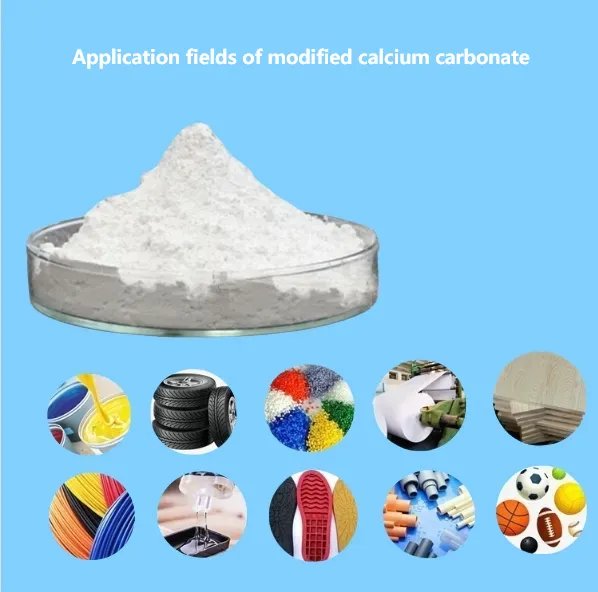
Modified Calcium Carbonate Technologies and High-Performance Powder Coating Equipment for Plastics & Rubber

Modified calcium carbonate has evolved from a simple filler into an essential functional additive across the plastics and rubber industries. From PVC pipes and PE agricultural films to automotive bumpers and electronic enclosures, surface‑modified, composite‑modified, and nano‑modified calcium carbonate grades deliver precisely tailored performance at a fraction of the cost of virgin polymers. But formulation

Modified Calcium Carbonate Technologies and High-Performance Powder Coating Equipment for Plastics & Rubber Read More »