
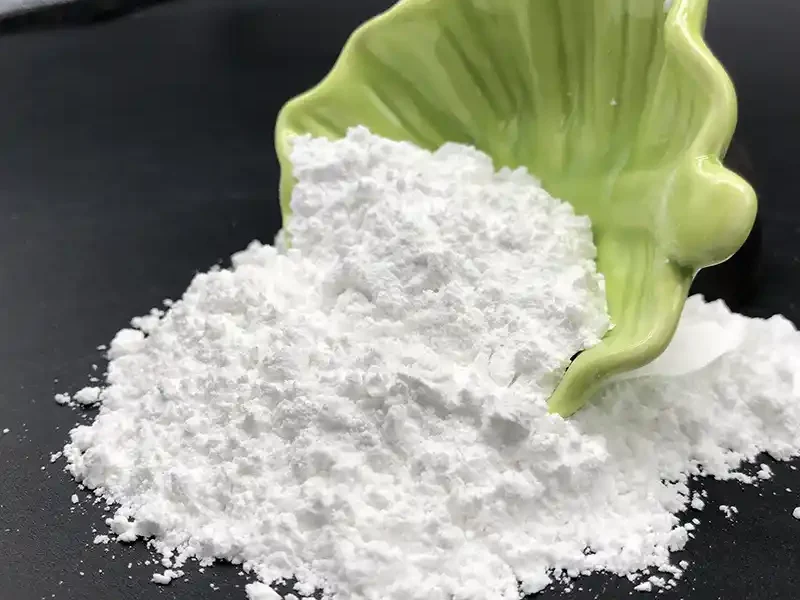
Kaolin (Al₂O₃·2SiO₂·2H₂O) contains about 39% alumina by weight. This makes it a viable raw material for producing high-purity alumina (HPA), which is alumina with purity above 99.99% and is used in LED sapphire substrates, lithium battery separator coatings, and semiconductor components. Several process routes can convert kaolin into HPA. Each route involves different equipment for grinding, classification, calcination, and leaching.
Why Kaolin Works as a Raw Material for HPA
Kaolin is abundant, low-cost, and has a well-defined crystal structure. The theoretical chemical formula of kaolin is Al₂O₃·2SiO₂·2H₂O, in which the theoretical alumina content is as high as 39.53 wt%. This proportion gives kaolin economic and technical value as an alumina source, especially against the background of increasingly scarce high-grade bauxite resources.When heated to 500 to 700 °C, kaolinite loses structural water and converts to metakaolin, an amorphous phase that is far more reactive in acid than the original mineral. This thermal activation step is what makes the subsequent chemical extraction of alumina possible at reasonable acid concentrations and temperatures.
The main challenge is silica. Kaolin contains roughly 46% silica, and removing it to achieve 99.99% alumina purity requires either acid leaching that dissolves alumina while leaving silica behind, or alkali processes that do the reverse. The choice of route determines what equipment you need downstream.
Route 1: Acid Leaching from Metakaolin
The most common kaolin-to-HPA route uses hydrochloric acid (HCl) or sulfuric acid (H₂SO₄) to extract aluminum from calcined kaolin.
The process starts with grinding. Raw kaolin ore is ground to a controlled particle size, typically D90 below 45 microns (325 mesh), to increase surface area for the calcination and leaching reactions. A ball mill paired with an air classifier is the standard setup for this step. The classifier controls the top cut and returns oversize particles to the mill, which keeps the feed size distribution narrow and improves leaching efficiency.
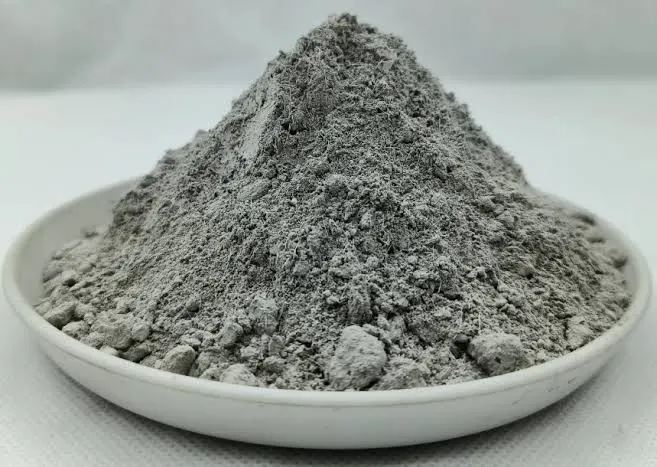
After grinding, the kaolin powder is calcined in a rotary kiln or fluidized bed calciner at 600 to 800 °C. The target is to convert kaolinite to metakaolin without over-calcining, which would reduce reactivity. The calcined material is then leached with HCl at 80 to 100 °C. Aluminum dissolves as aluminum chloride, while silica remains as an insoluble residue and is removed by filtration.
The aluminum chloride solution goes through purification steps, including solvent extraction or crystallization, to remove iron, sodium, and other impurities. The purified solution is then precipitated as aluminum hydroxide or basic aluminum chloride, and calcined at 1100 to 1300 °C to produce alpha-alumina with purity above 99.99%.
Route 2: Alkali Sinter Process
The second route mixes ground kaolin with sodium carbonate and sinters the mixture at 900 to 1100 °C. The sintered product contains sodium aluminate and sodium silicate. Water leaching dissolves the sodium aluminate, leaving the silica residue behind.
The sodium aluminate solution is then treated with CO₂ or seeded to precipitate aluminum hydroxide, which is calcined to alumina. This route avoids strong acids but requires higher sintering temperatures and careful control of the Na₂CO₃-to-kaolin ratio. Grinding equipment for this route needs to handle both the raw kaolin and the sintered clinker, which is harder and more abrasive.
Route 3: Chloride Process
A third route chlorinates calcined kaolin at high temperature to produce aluminum chloride vapor, which is then separated from silicon chloride and other impurities by fractional condensation. The aluminum chloride is oxidized to alumina. This route can achieve very high purity but requires specialized corrosion-resistant equipment and strict gas handling. It is less common in commercial production than the acid leaching route.
Feed Preparation: Grinding and Classification
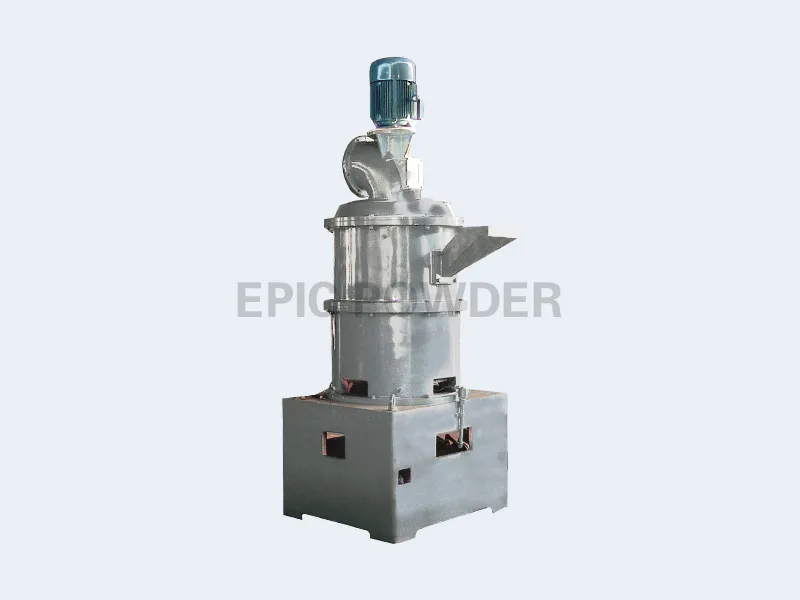
Regardless of the extraction route, the first step is always grinding the kaolin ore to a suitable feed size. The grinding circuit directly affects calcination uniformity and leaching kinetics. Oversize particles calcine unevenly and leach slowly, reducing overall alumina recovery. Undersize particles increase energy consumption and can cause filtration problems downstream.
A typical circuit consists of a roller mill or ball mill followed by an air classifier. The classifier sets the cut point, usually D90 at 30 to 45 microns for acid leaching feed. For the alkali sinter route, a coarser feed around 75 microns (200 mesh) is often acceptable because the sintering reaction is less sensitive to particle size.
Epic Powder supplies the SRM series vertical roller mill paired with the ITC or HTS turbo air classifier for kaolin grinding circuits. The SRM mill grinds kaolin by compression and shear between a roller and a grinding table, which uses less energy than a ball mill for the same throughput. The ITC classifier uses a single-stage turbine rotor for cut points from about 10 to 150 microns. The HTS classifier uses a multi-rotor design for finer cuts down to D97 of 3 microns, with a sharper particle size distribution that helps keep oversize particles out of the leaching feed.
Ceramic-lined mills and classifiers are recommended when iron contamination must be minimized. Even small amounts of iron picked up from steel grinding media can complicate the downstream purification steps, since iron is one of the hardest impurities to remove from the aluminum solution. Epic Powder offers alumina ceramic and zirconia ceramic lining options for both the SRM mill and the ITC/HTS classifiers to keep iron pickup low.
Calcination Equipment
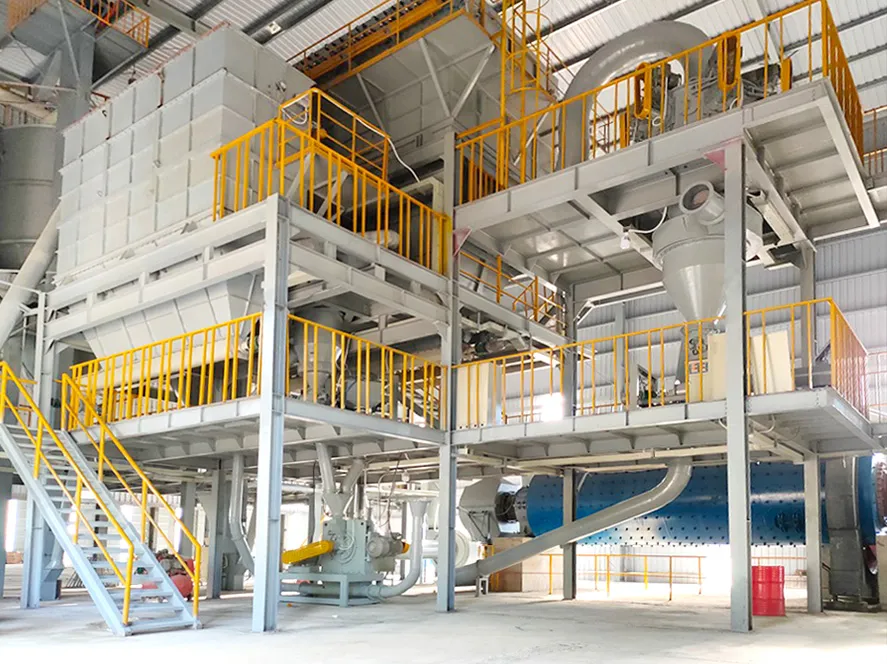
Calcination temperature and residence time control the conversion from kaolinite to metakaolin. A rotary kiln gives good temperature uniformity and handles large throughputs. For smaller operations or when precise temperature control is needed, a fluidized bed calciner offers faster heat transfer and better control of the metakaolin phase.
Over-calcination above 900 °C converts metakaolin to a spinel phase and then to mullite, which is far less reactive in acid. Monitoring the calciner exit temperature and maintaining it within a 50 °C window is critical for consistent leaching performance.
Impurity Control
Iron, sodium, potassium, and titanium are the main impurities that limit final alumina purity. Iron enters from the ore itself and from grinding equipment. Using ceramic-lined mills and alumina grinding media reduces iron contamination at the source. Sodium and potassium come from feldspar and mica impurities in the kaolin deposit. Ore selection and beneficiation steps such as magnetic separation and froth flotation before grinding can reduce these impurities.
After leaching, solvent extraction with specific extractants can remove iron down to low ppm levels. Multiple crystallization cycles further purify the aluminum salt before final calcination. Each purification step has a cost, so reducing impurities before they enter the chemical process is more economical than removing them later.
Epic Powder’s ITC and HTS classifiers with ceramic lining maintain iron-free classification for HPA-grade kaolin feed. The ceramic lining prevents direct contact between the powder and steel surfaces inside the classifier body and rotor, so iron pickup from equipment stays below 10 ppm in most cases.
Choosing Equipment for a Kaolin-to-HPA Project
The grinding and classification stage uses standard non-metallic mineral processing equipment. A ball mill with air classifier circuit, ceramic-lined where iron control matters, handles kaolin feed preparation well. For the calcination stage, equipment selection depends on throughput and temperature control requirements. Leaching and purification stages require corrosion-resistant materials such as glass-lined reactors, PTFE-lined piping, and titanium heat exchangers.
Epic Powder provides complete grinding and classification systems for kaolin HPA feed preparation. A typical line includes the SRM vertical roller mill, an ITC or HTS air classifier, a cyclone collector, a dust collector, and a control panel, all sized to the required throughput. The system is delivered as a turnkey package with installation and commissioning support.
The final calcination to alpha-alumina needs a kiln capable of reaching 1300 °C with controlled atmosphere. The product at this stage is a high-value powder, so contamination from kiln refractories must be checked. High-purity alumina refractories or silicon carbide linings are commonly used for the final calcination step.
Material Testing
Kaolin deposits vary in mineralogy, impurity profile, and reactivity. Before investing in equipment, a lab-scale test on the specific kaolin ore is necessary to determine the optimal calcination temperature, acid concentration, leaching time, and expected alumina recovery. Epic Powder offers material testing services for grinding and classification, including particle size analysis and iron contamination testing with ceramic-lined equipment.
Epic Powder
At Epic Powder, we offer a wide range of equipment models and tailor solutions to meet your specific needs. Our team has more than 20 years experience in various powders processing. Epic Powder is specialized in fine powder processing technology for mineral industry, chemical industry, food industry, pharama industry, etc.
Contact us today for a free consultation and customized solutions!
Website: www.nonmetallic-ore.com
Email: [email protected]
WhatsApp: +86-15762272120

“Thanks for reading. I hope my article helps. Please leave a comment down below. You may also contact EPIC Powder online customer representative Zelda for any further inquiries.”
— Jason Wang, Engineer