
Dolomite looks like limestone on a conveyor, and the two minerals diverge the moment grinding starts. Dolomite carries magnesium next to the calcium, and its lattice resists fracture a little harder. Its buyers therefore test different properties. Whiteness, iron, and a controlled magnesium content decide the grade, and the grinding plant holds all three. This article maps dolomite powder applications to their fineness bands. It then explains the iron controls behind whiteness, and places each machine where it wins.
What Sets Dolomite Apart from Calcite
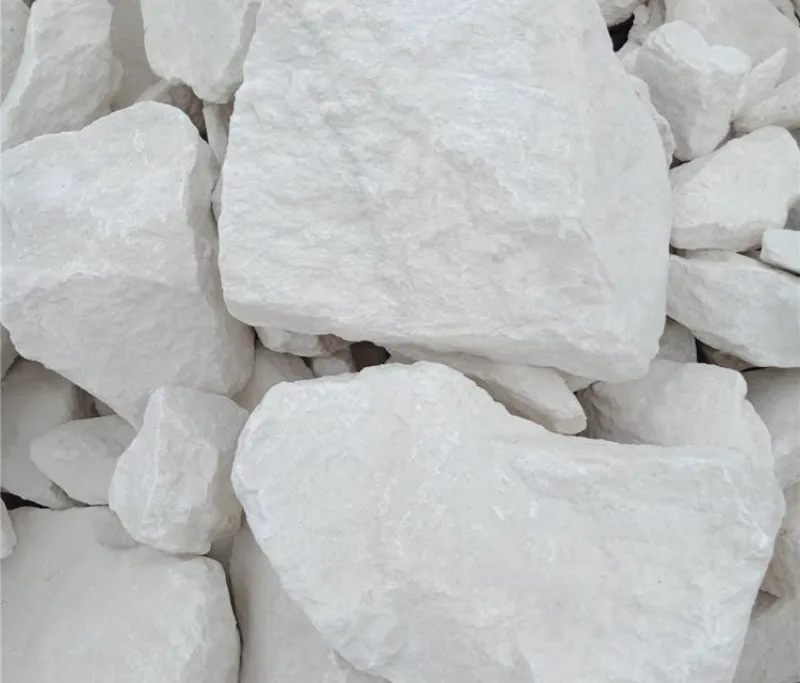
Dolomite is a double carbonate, and its lattice holds calcium and magnesium in alternating layers. The mineral scores slightly higher on the Mohs scale than calcite, around 3.5 to 4, so wear rates rise a little at the same throughput. Cold dilute acid attacks it slowly, and a quarry lab separates it from limestone in seconds on that basis. The magnesium inside is both the product and the risk. Glass and ceramic batch buys dolomite for that magnesium. Some filler specs cap it, because a high MgO content changes water demand in mortar and stiffens polymer compounds. The chemistry is set by the mine and its washing. Our guide to limestone selection for calcium carbonate production describes how the ore decides the grade. The same logic runs for dolomite. Calcination serves the refractory and magnesium product routes, and that route is thermal. This article leaves it outside the grinding plant.
Fineness Bands by Application
Dolomite powder grinding splits the market into four bands, and each band carries its own quality test.
| Application | Typical Band | What Decides Quality |
|---|---|---|
| Glass and ceramic batch | Steady mesh bands | Chemistry stability and low iron |
| Agriculture and soil conditioning | Coarse bands | Purity of the carbonate source |
| Mortar and construction filler | Mid bands | Whiteness and water demand |
| Fine filler for paint and polymer | 325 mesh and finer | Whiteness and top cut |
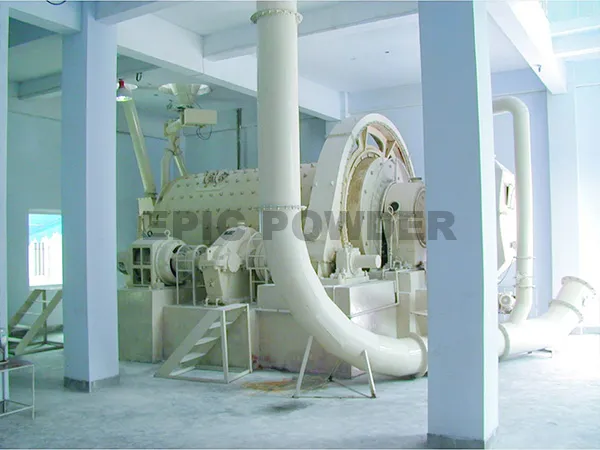
Glass and ceramic plants buy steady bands and judge them on chemistry. The batch melts as a formula, so band stability beats peak fineness. Agriculture buys coarse grades and pays for purity, and construction fillers occupy the mid bands. Whiteness and water demand control the mortar there. Our guide to calcium carbonate in putty powder and dry mix mortar covers the same mid-band tests. Fine filler for paint and polymer reaches 325 mesh and finer. The top cut decides the surface finish at that level. A ball mill with a classifier holds D97 from 75 µm down to 5 µm. It covers the volume bands at the lowest capital cost. Band discipline pays in pricing. A product that drifts outside its band becomes a blend, and blends sell at the bottom grade. A line that holds the band sells the same tonnage at the grade the buyer ordered. A ring roller mill extends one line into 325 to 2000 mesh, about D97 6.5 to 45 µm. That range suits plants planning fine filler grades on the same feed. Our comparison of ball mill, vertical roller mill and air classifier mill walks through the choice in detail.
Whiteness and Iron Control
Iron enters a dolomite grinding circuit through two doors, and both stay open in a dry line. The feed carries iron-bearing minerals, and the grinding contacts shed wear metal. Dolomite cuts those contacts a little faster than calcite, because the lattice is harder. The wear door therefore opens wider at the same tonnage. Permanent magnets ahead of packing lift the free iron, and ceramic or high-chrome contacts slow the source itself. Our feldspar iron control guide sequences those steps for a running circuit, and the order carries to dolomite. Whiteness follows the iron number, and buyers of paint and polymer grades reject on a whiteness drop between batches. Iron control in dolomite is therefore a wear plan as much as a separation plan.
What the Trial Must Prove
A dolomite grinding trial runs on the customer ore, and it reports three numbers. A full laser distribution shows where the top cut lands at each classifier setting. A whiteness value per run shows whether the iron controls hold at production rate. A wear measurement over the campaign shows what the harder lattice costs in contact parts. That cost belongs in the operating budget before tonnage is agreed. The chemistry of the feed is confirmed along the way, because the mine sets the magnesium and the washing sets the rest. Plants that plan both volume grades and fine filler grades should record a run at each band. Our guide to calcium carbonate grades shows how bands map to applications across the filler market. The same mapping method carries to dolomite, because the buyer tests the band before the mineral.
FAQ
Is dolomite powder the same as calcium carbonate?
Dolomite is a calcium magnesium carbonate, and the magnesium content separates it from pure calcite. It reacts slowly with cold dilute acid. It raises wear on grinding contacts slightly, and it changes water demand in mortar systems. Buyers specify the magnesium share. The two powders therefore substitute for each other only where the spec allows it.
Can a limestone grinding line run dolomite?
The same circuit family runs it, with two adjustments. Wear parts are consumed a little faster, so the contact material choice matters more. The iron controls and the classifier settings follow the dolomite band. A trial on the actual ore fixes both.
What fineness can a dolomite circuit hold?
A ball mill with a classifier holds D97 from 75 µm down to 5 µm. A ring roller mill covers 325 to 2000 mesh, about D97 6.5 to 45 µm. The achievable number depends on the feed and the classifier setting. The trial reports it for the actual ore.
Epic Powder
Epic Powder designs grinding and classifying systems for minerals, chemicals, food, and pharmaceuticals. With more than 20 years of powder processing experience, we match the right mill to your target particle size and capacity. Tell us about your material and we will recommend a tested solution.

“Thanks for reading. I hope my article helps. Please leave a comment down below. You may also contact EPIC Powder online customer representative Molly for any further inquiries.”
— Jason Wang, Engineer