diatomaceous-earth-uses

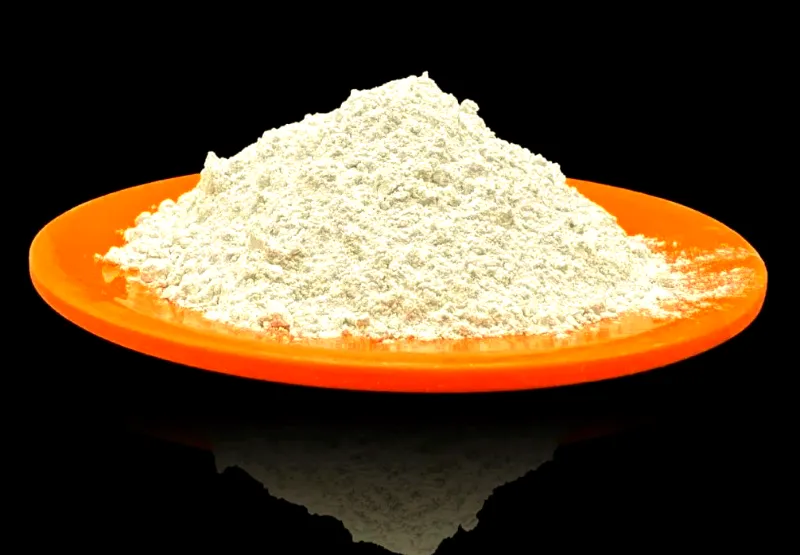
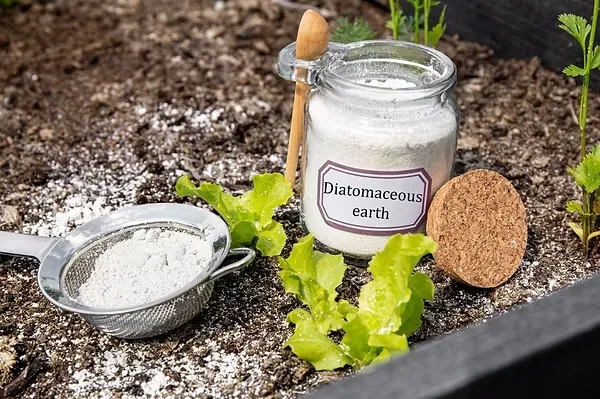
Ultrafine Grinding Diatomaceous Earth 325 Mesh to D50 56 Microns

Understanding Diatomaceous Earth and Its Properties Diatomaceous earth (DE) is a naturally occurring, soft, siliceous sedimentary rock formed from fossilized remains of diatoms—microscopic algae with unique porous shells. Its composition is primarily high-purity silica, often exceeding 80-90%, giving it excellent thermal stability and chemical inertness. This natural porous structure results in an exceptionally large surface […]

Ultrafine Grinding Diatomaceous Earth 325 Mesh to D50 56 Microns Read More »

PE Wax

Ultra-Fine Grinding Solutions for High-Performance Calcium Carbonate in Plastics

Epic Powder Machinery Co., Ltd. is a leading Chinese manufacturer specializing in vertical roller mills (SRM series) and high-precision turbine air classifiers (HTS series). With over 20 years of experience and many successful installations worldwide, Epic Powder delivers industry-leading particle size control, narrow distribution, high throughput, and outstanding energy efficiency. Our flagship SRM series roller

Ultra-Fine Grinding Solutions for High-Performance Calcium Carbonate in Plastics Read More »

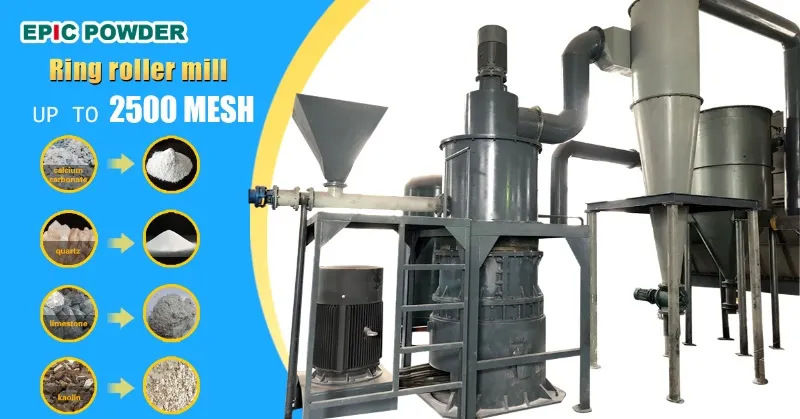
ring roller mill

Heavy Calcium Carbonate: Grinding, Surface Modification Technologies, and Equipment

Heavy calcium carbonate (GCC) is a powdered calcium carbonate material produced by mechanically grinding raw minerals such as calcite, chalk, and marble. It is characterized by its wide availability of raw materials, high whiteness, low oil absorption, good applicability, and low cost. Currently, it is the most extensively used and highest-volume inorganic non-metallic mineral powder

Heavy Calcium Carbonate: Grinding, Surface Modification Technologies, and Equipment Read More »

image

Classification of Quartz Materials

The journey of quartz from a raw mineral to a high-performance industrial material begins with precise quartz stone grinding and a deep understanding of its fundamental characteristics. This article provides a detailed overview of quartz material classification, its key physical and chemical properties, and its diverse industrial applications, highlighting why this material is indispensable in

Classification of Quartz Materials Read More »

Jet mill on site 10

8 Key Concepts of Bentonite Explained: Your Ultimate Guide

1. Bentonite Bentonite, also known as “montmorillonite clay,” is a non-metallic mineral with montmorillonite as its core component. It often contains small amounts of illite, kaolinite, zeolite, feldspar, and calcite. The practical value of bentonite depends directly on its montmorillonite content. For applications requiring ultra-fine bentonite powders, jet mill pulverization offers a superior solution. 2.

8 Key Concepts of Bentonite Explained: Your Ultimate Guide Read More »

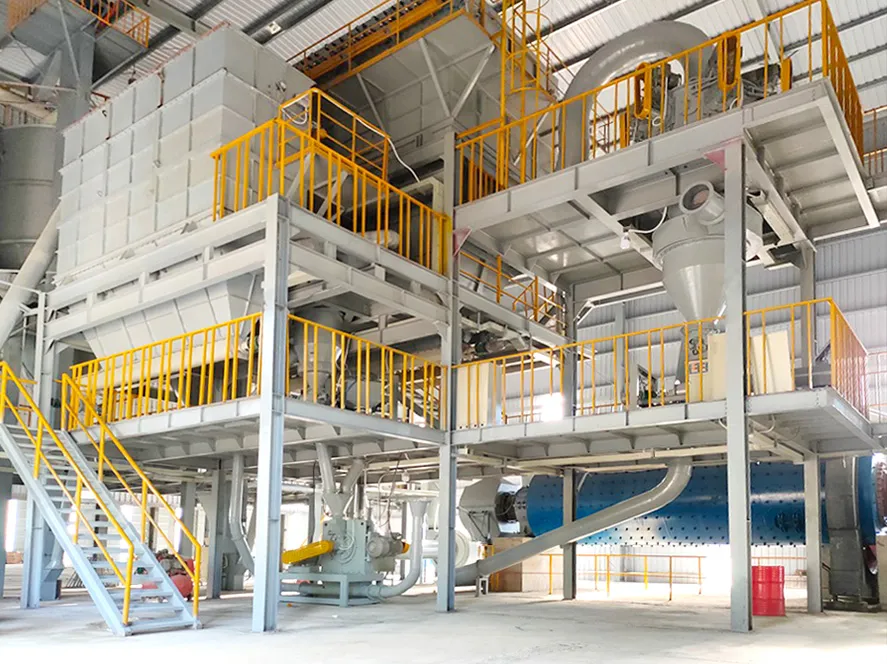
ball mill and classifier Production line

Calcium Carbonate Is Reshaping the Plastic Composites Industry

In the history of the plastics industry, calcium carbonate has long been regarded as a low-cost filler, valued mainly for reducing raw material costs. However, with breakthroughs in processing technology and the evolution of application demands, this traditional perception is being completely redefined. Today, calcium carbonate has transformed into a functional modifier that combines three

Calcium Carbonate Is Reshaping the Plastic Composites Industry Read More »

calcium carbonate

Calcium Carbonate — The “Grain of Industry”

In modern industrial systems, calcium carbonate (CaCO₃) is known as the “grain of industry” for its abundant resources, stable properties, and wide range of applications. As an essential non-metallic mineral raw material, calcium carbonate not only supports traditional manufacturing industries but also plays a vital role in emerging sectors and high-tech fields. From plastics and

Calcium Carbonate — The “Grain of Industry” Read More »

Ultra-fine Calcium Carbonate

Applications and Market Prospects of Ultra-fine Calcium Carbonate in Various Industries

According to different production methods, calcium carbonate can be classified into ground calcium carbonate (GCC), precipitated calcium carbonate (PCC), colloidal calcium carbonate, and crystalline calcium carbonate. Among these, GCC is produced through direct mechanical grinding. Ultra-fine calcium carbonate is an essential non-metallic mineral raw material, widely used due to its abundance, low cost, and performance-enhancing

Applications and Market Prospects of Ultra-fine Calcium Carbonate in Various Industries Read More »

Ultrafine calcium carbonate(UCC)

Key Technical Indices of Ultrafine Calcium Carbonate: Preparation by Grinding and Performance Requirements in Diverse Applications

The key technical specifications of ultrafine calcium carbonate—particle size, specific surface area, crystal form, and oil absorption—directly impact its application performance. While other indicators are important, they are relatively easy to achieve industrially. For specialized products, different applications place varying emphasis on various indicators and require different requirements. Particle Size and Specific Surface Area The

Key Technical Indices of Ultrafine Calcium Carbonate: Preparation by Grinding and Performance Requirements in Diverse Applications Read More »