
As the world accelerates its transition to clean energy, advanced electronics, and sustainable manufacturing, non-metallic minerals are emerging as critical enablers of innovation. From battery anodes powering electric vehicles (EVs) to high-purity fillers enhancing solar panels and semiconductors, these materials are experiencing unprecedented demand growth. According to the International Energy Agency’s (IEA) Global Critical Minerals Outlook 2025, energy transition minerals—including several non-metallic ones like graphite—are set for robust expansion, driven by electrification, renewables, and digital technologies. Ultra-fine processing is key to unlocking the full potential of these minerals. Achieving precise particle sizes (e.g., D97 < 10μm or narrower distributions) enhances performance in batteries, coatings, and electronics—reducing impurities, improving flowability, and boosting efficiency. Advanced millings like jet mills, air classifiers ensure contamination-free grinding for high-purity non-metallic ores.
The global push for net-zero emissions, coupled with booming sectors like EVs, energy storage, and photovoltaics, is projected to drive significant market growth. Non-metallic minerals such as graphite, high-purity quartz (silica), kaolin, and talc are particularly vital due to their unique properties: high purity, thermal stability, and chemical inertness. Over the next five years (2025-2030), demand surges are expected from clean energy applications, with graphite alone seeing market values potentially reaching USD 13-26 billion by 2030, fueled by lithium-ion battery needs.
In this article, we explore the top 8 non-metallic minerals poised for the highest demand from 2025 to 2030, backed by market forecasts and industry trends. We also highlight optimal processing equipment to meet these evolving needs.
1. Graphite: The Battery Anode Powerhouse
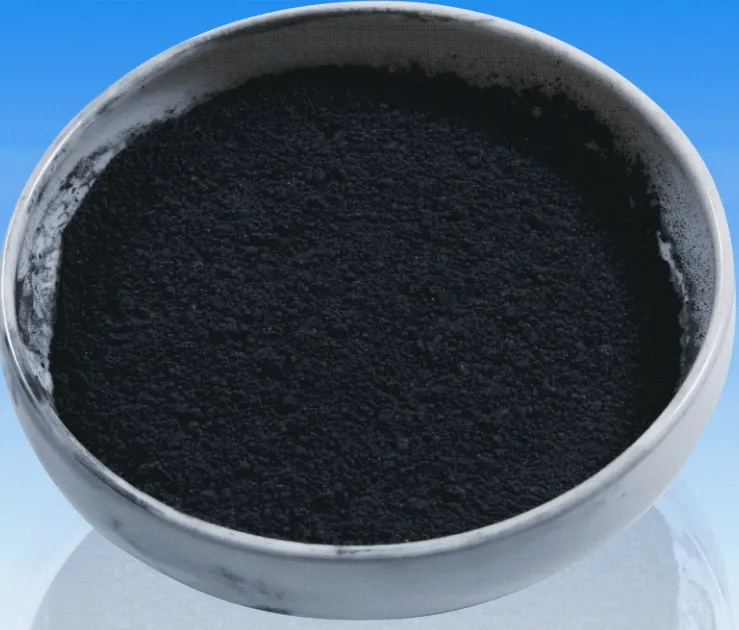
Graphite remains the dominant anode material in lithium-ion batteries, accounting for the largest critical battery material by weight. The IEA forecasts graphite demand to nearly quadruple in net-zero scenarios by 2040, with strong growth through 2030 driven by EV and energy storage adoption. Global graphite market size is estimated at USD 14.2 billion in 2025, projected to reach USD 26 billion by 2035 (CAGR ~6%), though battery-grade segments could see higher rates.
Key drivers: EV sales tripling by 2030 and grid-scale storage. Natural flake graphite purification and spherical graphite production are critical for high-performance anodes.
Recommended Equipment: Fluidized bed air jet mills for ultra-fine spherical graphite (D50 10-20μm) with zero metal contamination. Inert gas systems prevent oxidation, ensuring purity >99.95%.
2. High-Purity Quartz/Silica: Enabling Solar and Semiconductors
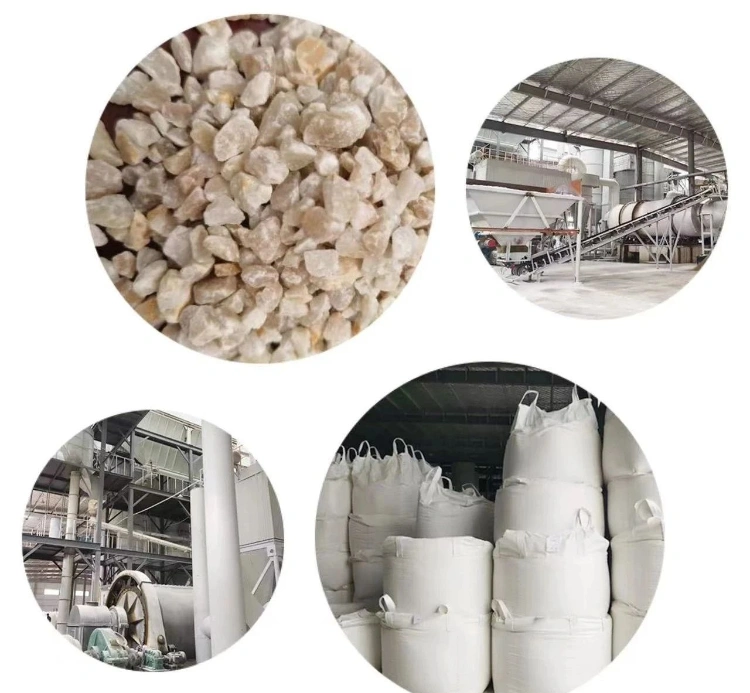
High-purity quartz (HPQ) is indispensable for photovoltaic crucibles, semiconductor wafers, and optical fibers. Demand is surging with solar PV installations and chip manufacturing. The HPQ market is valued at ~USD 1.1 billion in 2025, expected to reach USD 1.4 billion by 2030 (CAGR 4.5%), while solar-grade silica drives faster growth.
Key drivers: Global solar capacity expansion and AI-driven semiconductor demand. Ultra-high purity (99.999% SiO2) is required to minimize defects.
Recommended Equipment: High-purity jet mill production lines with ceramic liners and closed-loop classification for D99 < 5μm, achieving zero iron contamination critical for crucibles and wafers.
3. Kaolin: Versatile Filler for Ceramics and Paints
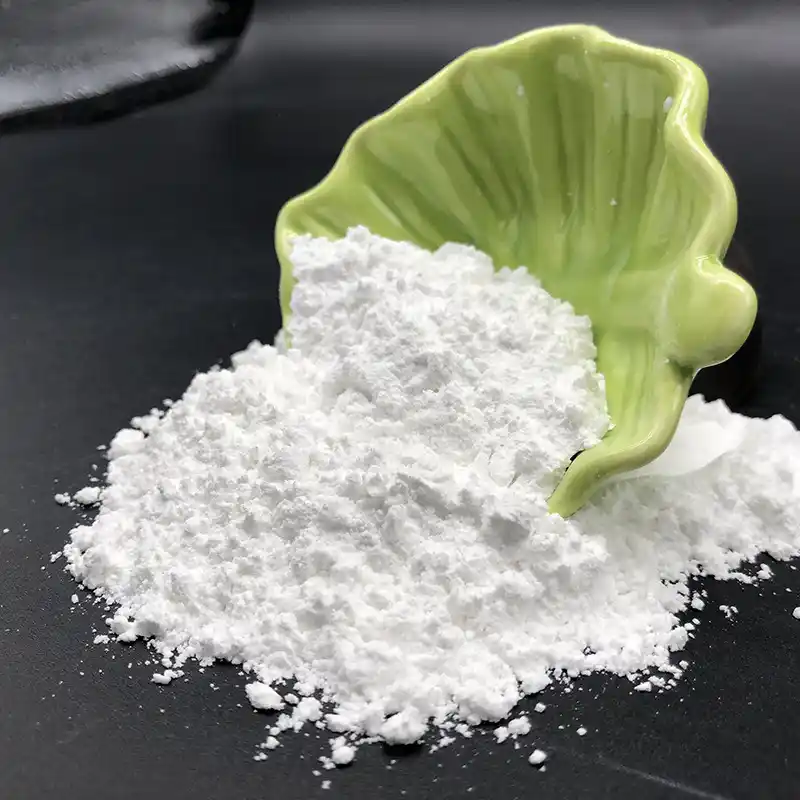
Kaolin’s brightness and platiness make it ideal for paper coatings, ceramics, paints, and emerging battery separators. Market volume is ~47.6 million tons in 2025, growing to 58.5 million tons by 2030 (CAGR 4.2%), with value projections up to USD 8.3 billion.
Key drivers: Construction boom in Asia-Pacific and shift to premium, eco-friendly coatings. Calcined kaolin demand rises for low-carbon applications.
Recommended Equipment: Air classifiers combined with ultra-fine ball mills or jet mills for narrow particle distribution (D90 < 2μm), enhancing opacity and whiteness.
4. Talc: Essential for Plastics and Cosmetics
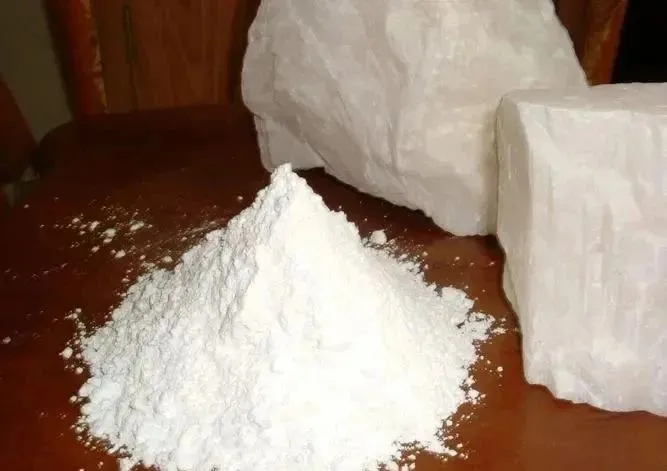
Talc enhances rigidity and heat resistance in plastics, while serving as a filler in cosmetics and pharmaceuticals. The market is ~8.1 million tons in 2025, reaching ~10 million tons by 2030 (CAGR 4.4%), with value up to USD 17.7 billion in some estimates.
Key drivers: Automotive lightweighting (PP composites) and personal care growth. Ultra-fine grades improve dispersion.
Recommended Equipment: Jet mill systems for superfine talc (D97 5-10μm), preserving lamellar structure for better reinforcement in polymers.
5. Calcium Carbonate: Ubiquitous Filler King
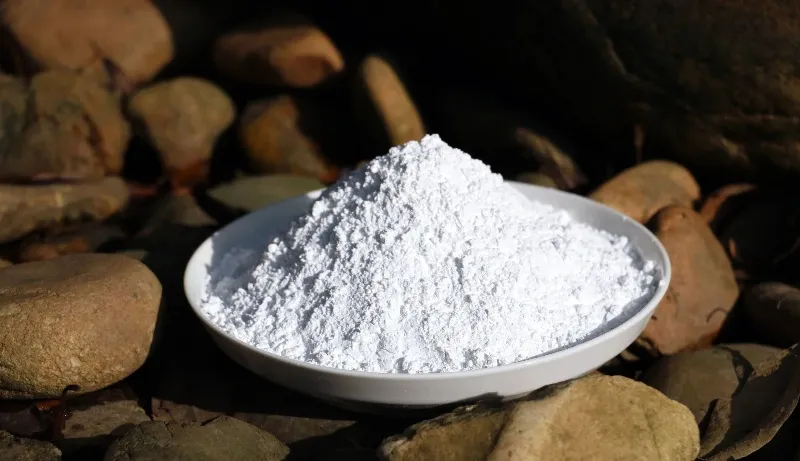
Ground (GCC) and precipitated (PCC) calcium carbonate dominate fillers in plastics, paper, and paints. Steady demand growth ties to packaging and construction, with ultra-fine grades gaining in high-performance applications.
Key drivers: Sustainable plastics and matte coatings. Market continues robust expansion in Asia.
Recommended Equipment: Complete ultra-fine grinding lines with pin mills or jet mills for D97 < 2μm, improving surface treatment and flowability.
6. Mica: Insulation and Effect Pigments
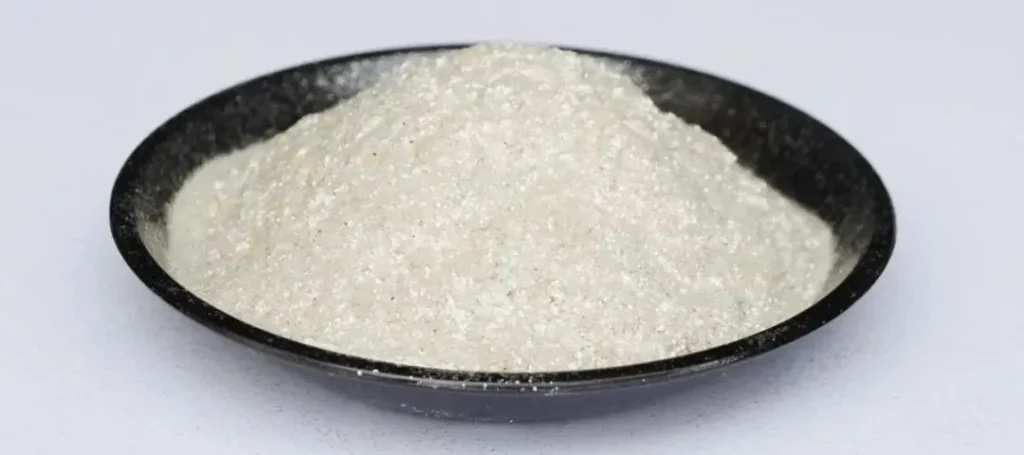
Mica’s sheet-like structure provides excellent electrical insulation and pearlescent effects in coatings and cosmetics. Demand rises with EV motors and decorative paints.
Key drivers: Electronics and automotive sectors.
Recommended Equipment: Delamination mills and classifiers to maintain aspect ratio while achieving fine sizes.
7. Fluorite (Fluorspar): Emerging for Batteries
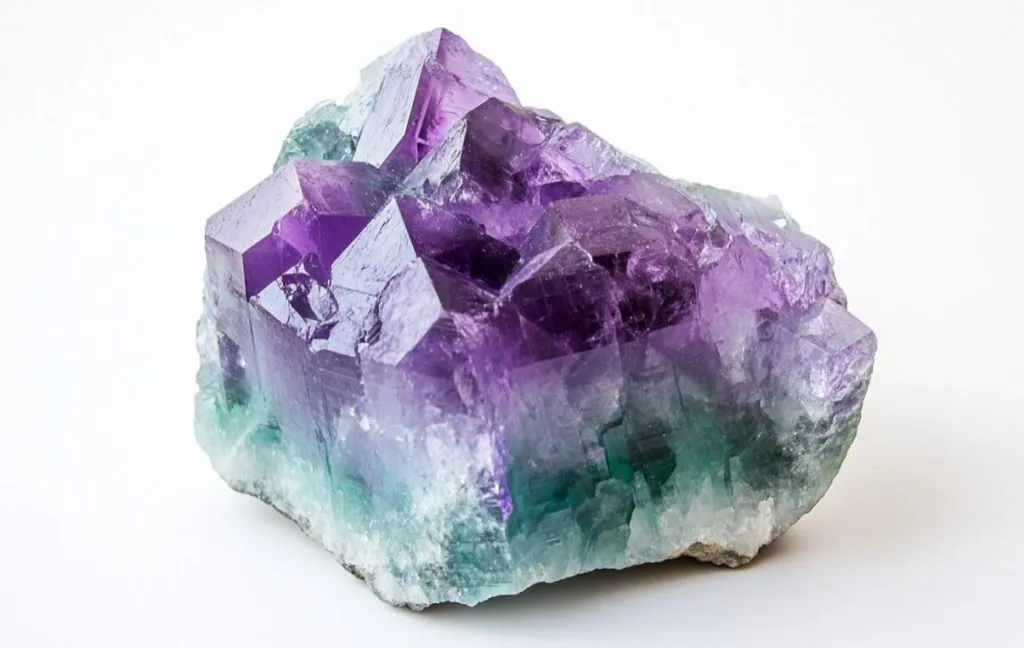
Acid-grade fluorspar is key for hydrofluoric acid in LiPF6 electrolytes. Growing relevance in next-gen batteries.
Key drivers: Fluorinated battery chemistries.
Recommended Equipment: Ultra-fine jet mills for high-purity processing.
8. Bentonite/Barite: Industrial and Energy Support
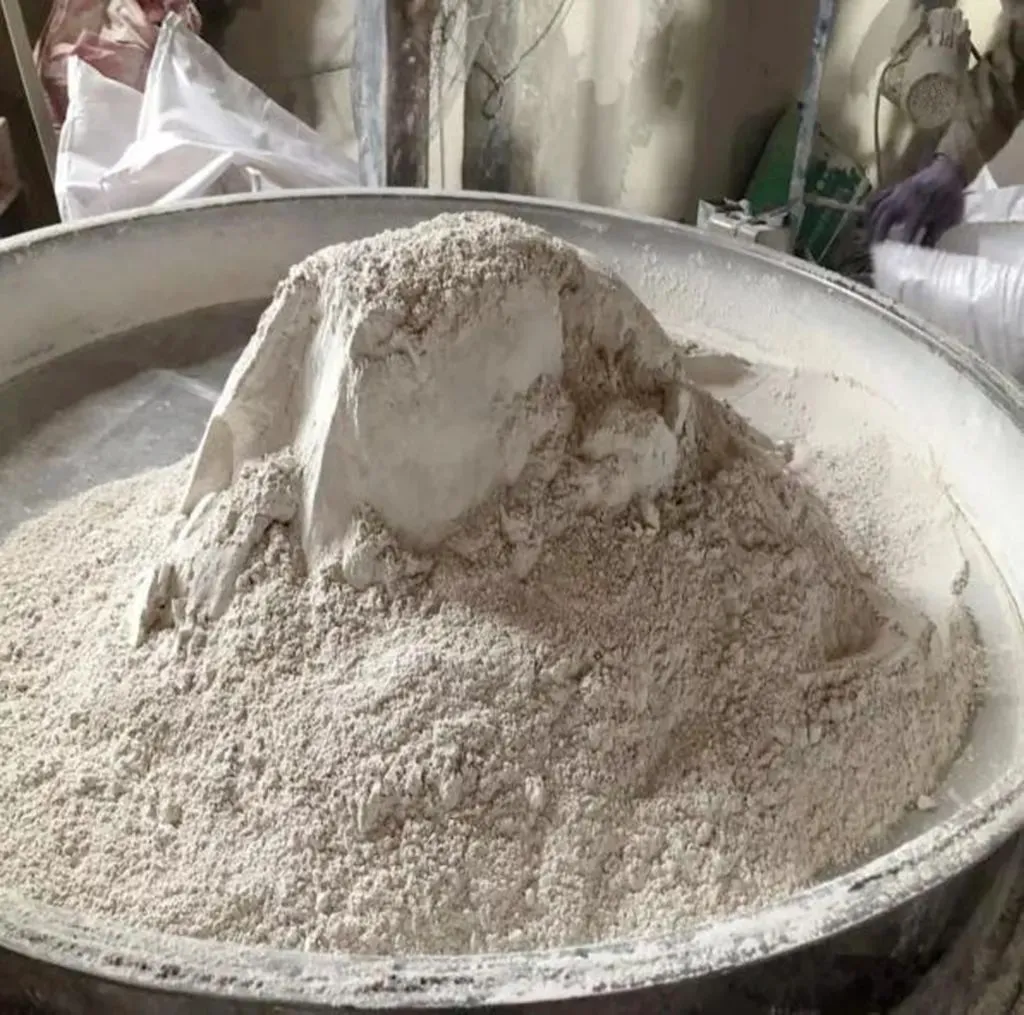
Bentonite for drilling fluids and barite as weighting agents support energy transition infrastructure.
Key drivers: Renewables-related construction and oil/gas interim demand.
Recommended Equipment: Drying and superfine grinding systems for enhanced viscosity and density control.
Why Ultra-Fine Processing Equipment Matters
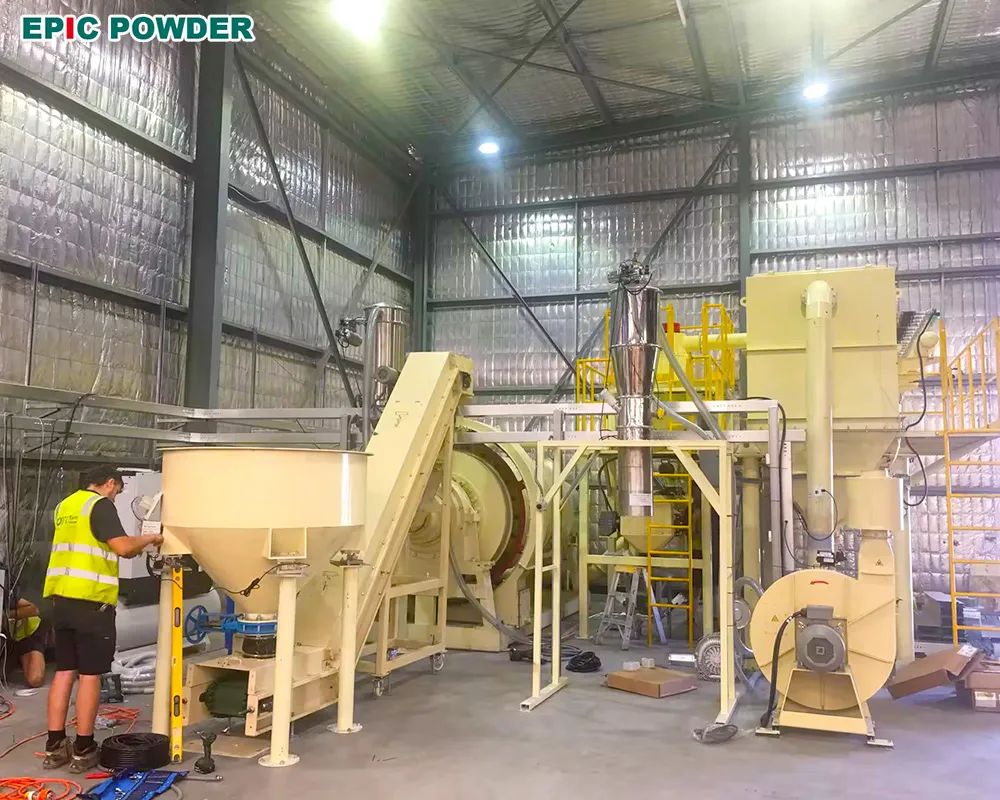
To capitalize on this demand surge, producers need advanced powder processing solutions. Contamination-free, energy-efficient systems like air jet mills deliver precise particle sizes, narrow distributions, and high yields—essential for battery materials (e.g., D99 6μm at 700kg/h) and high-purity applications.
Epic Powder Machinery specializes in customized fluidized bed jet mills, air classifiers, and complete production lines tailored for non-metallic minerals. Our ceramic-lined, inert-gas-protected systems ensure zero metal impurities, ideal for graphite, quartz, and kaolin processing.
As non-metallic minerals drive the clean energy revolution, investing in state-of-the-art ultrafine grinding technology is crucial for efficiency, quality, and competitiveness.
Contact Epic Powder today to discuss solutions for your high-demand mineral processing needs. Visit https://www.nonmetallic-ore.com for more insights.