
The calcium carbonate coating process is the key to transforming ordinary inorganic fillers into functional additives. In this way, it can improve polymer composite performance. Raw calcium carbonate powder has poor compatibility with organic matrices, which causes weak interfacial bonding and limits mechanical properties. Surface coating solves this by modifying the particle surface chemistry, making it hydrophobic, improving dispersion, and enhancing affinity for resins. The choice of equipment strongly influences the final coating quality, and EPIC Powder supplies advanced continuous modification lines that deliver uniform coverage, high activation rates, and low energy consumption. This guide covers all major coating methods and explains how EPIC’s machines optimize each step.
Why the Calcium Carbonate Coating Process Is Critical for Polymer Applications
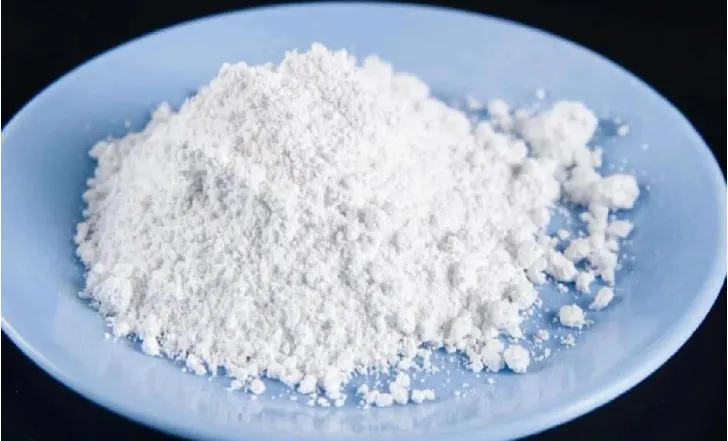
Calcium carbonate is the most widely used inorganic filler in plastics, rubbers, adhesives, paints, and sealants. However, untreated particles are hydrophilic and polar, while most polymers are nonpolar and hydrophobic. This mismatch causes poor wetting, agglomeration, and weak mechanical performance. The calcium carbonate coating process introduces surface modifiers that form a chemical or physical layer around each particle. It can reduce surface energy and creating steric or electrostatic repulsion. As a result, the coated filler disperses evenly, increases impact strength, improves tensile properties. It also allows higher filler loadings without sacrificing processability.
Surface modification relies mainly on chemical coating, with mechanochemical approaches as supplementary aids. Common modifiers include stearic acid and its salts, titanate coupling agents, aluminate coupling agents, zirconium aluminate agents, and various polymers such as atactic polypropylene and polyethylene wax. Both dry and wet processing routes are available. The optimal method depends on the raw material type, target application, and production scale.
EPIC Powder’s Continuous Coating Equipment for the Calcium Carbonate Coating Process
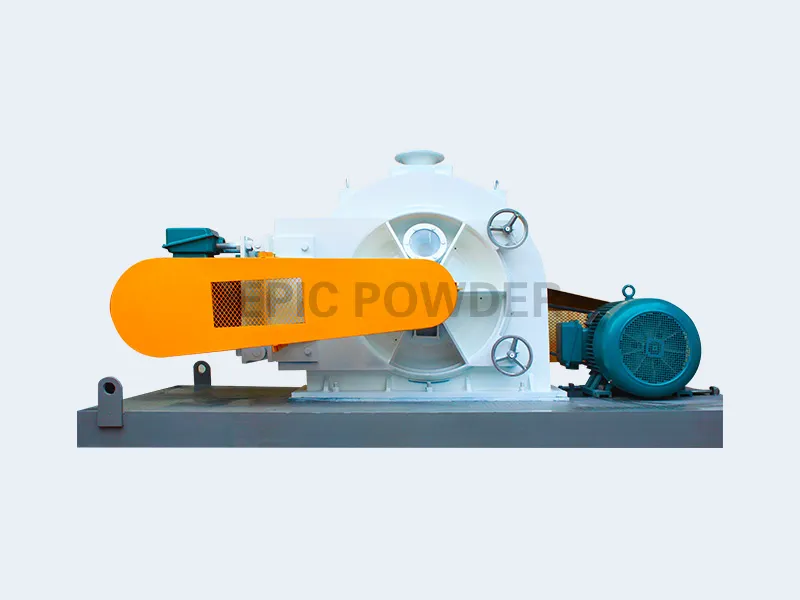
Achieving consistent results in the calcium carbonate coating process requires equipment that provides precise temperature control, intense mixing, and sufficient residence time for the modifier to react fully. EPIC Powder designs and manufactures continuous surface modification lines that overcome the limitations of batch mixers and traditional mills. The system features a unique rotor–stator configuration that generates high shear forces. It can break particle agglomerates and distributing the modifier uniformly over every surface. Automated feeding and discharge ensure steady-state operation, eliminating batch-to-batch variability and raising the activation index to over 98%.
EPIC’s machines are also energy-efficient, incorporating thermal insulation and waste-heat recovery that reduce power consumption by 15–20% compared to conventional equipment. This versatility makes EPIC Powder the preferred partner for manufacturers who need one flexible solution for diverse coating requirements.
Dry-Method Calcium Carbonate Coating Process with Stearic Acid
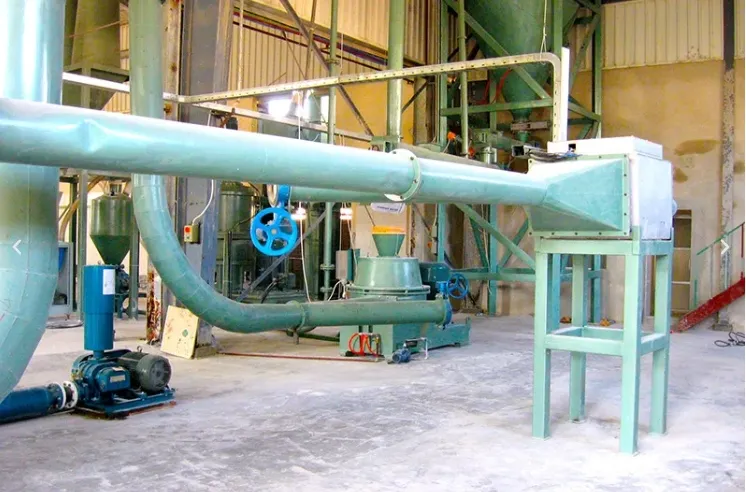
Stearic acid is the most frequently used surface modifier for calcium carbonate. It is cost-effective, readily available, and easy to apply. The dry-method calcium carbonate coating process typically starts with drying the raw powder if its moisture exceeds 1%, then feeding the powder and the stearic acid simultaneously into the coating machine. EPIC Powder’s continuous lines allow solid stearic acid to be added directly without pre-dissolving, simplifying operations and reducing solvent costs. The dosage is generally 0.8–1.2% of the filler mass, depending on the specific surface area and particle size distribution.
In contrast, batch processes such as high-speed mixers or horizontal paddle mixers require pre-weighing all materials, charging them together, and mixing for 15–60 minutes at about 100°C. These methods are slower and less reproducible. When using a continuous line from EPIC Powder, however, you achieve higher throughput, better temperature homogeneity, and a more uniform coating layer because the particles and modifier are constantly renewed in the reaction zone.
Wet-Method Calcium Carbonate Coating Process for Ultra-Fine PCC
For precipitated calcium carbonate (PCC) and wet-ground ultra-fine GCC, the wet-method calcium carbonate coating process offers distinct advantages. In this route, stearic acid is first saponified with sodium hydroxide to form water-soluble stearate, then added to an aqueous slurry of calcium carbonate. The reaction proceeds in stirred tanks or static mixers, usually at 50–100°C, and is followed by filtration, drying, and deagglomeration.
Liquid-phase dispersion is inherently more effective than dry mixing because particles are already separated, and addition of dispersants further enhances uniformity. The adsorbed stearate layer reduces surface energy, so the filter cake does not form hard agglomerates; it can be re-dispersed with mild shear after drying. EPIC Powder supplies robust stirred reactors with powerful agitation that shorten reaction times and improve coating efficiency. Our equipment also enables easy scale-up from pilot to full production.
Coupling Agent Applications in the Calcium Carbonate Coating Process
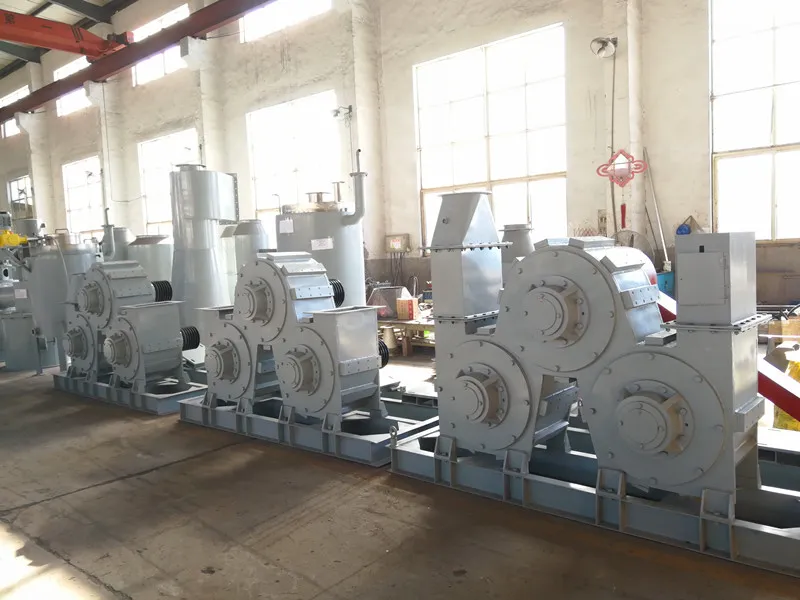
Coupling agents create covalent or strong hydrogen bonds between the inorganic filler and the organic polymer, acting as molecular bridges that dramatically improve composite strength. The calcium carbonate coating process commonly employs two types: titanate and aluminate coupling agents. Titanates are particularly effective in dry processing, where they are usually diluted with inert solvents such as white oil or petroleum ether and then sprayed into the high-speed mixer. EPIC Powder’s continuous lines can handle undiluted titanates due to their superior dispersion capability, saving solvent costs and reducing VOC emissions.
Dosage of titanate agents typically falls between 0.5% and 3.0% of the filler weight, and drying temperatures should be kept at 100–120°C, below the agent’s flash point. Titanate-treated calcium carbonate forms strong interfacial bonds that significantly increase impact strength, tensile strength, and elongation of the final composite.
Aluminate coupling agents are widely used in PVC, PP, and PE systems. They lower the viscosity of CaCO₃–liquid paraffin mixtures, indicating excellent dispersibility. When aluminate-treated filler is incorporated into polypropylene, the blend shows improved toughness and impact resistance. Composite coupling systems combine titanates with stearic acid and crosslinkers like bismaleimide to achieve synergistic effects while reducing overall coupling agent usage and cost. EPIC Powder’s high-speed mixers ensure that all components are distributed evenly, so every particle receives the complete surface treatment.
Polymer and Masterbatch Coating in the Calcium Carbonate Coating Process
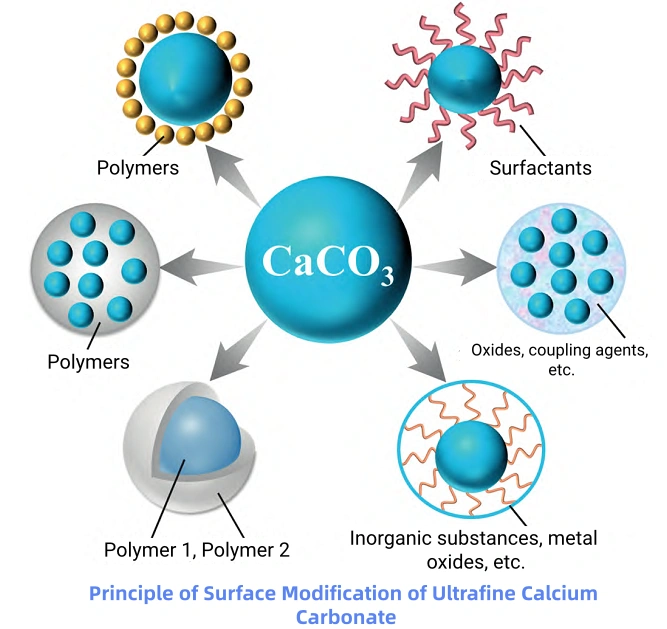
Polymers offer an alternative strategy for the calcium carbonate coating process, especially when permanent steric stabilization is needed. Common coating polymers include polymethyl methacrylate (PMMA), polyethylene glycol, polyvinyl alcohol, polyacrylic acid, and polypropylene. Two basic procedures exist: (1) adsorbing monomer onto the particle surface and then polymerizing it in situ, or (2) dissolving the polymer in a solvent, contacting it with the powder, and evaporating the solvent to leave a thin film.
These polymer layers prevent particle agglomeration through steric hindrance, improving long-term dispersion stability in liquid formulations and melts. Masterbatch production is a prime example where the calcium carbonate coating process is integrated with a resin carrier. For APP masterbatch, activated calcium carbonate is compounded with atactic polypropylene at ratios ranging from 1:3 to 1:10. EPIC Powder’s continuous compounding lines ensure thorough mixing and uniform encapsulation, yielding masterbatch pellets that perform reliably in film, pipe, and container applications.
Inorganic and Plasma-Assisted Modifications
In addition to organic coatings, inorganic surface treatments can address specific performance drawbacks. Condensed phosphoric acid reduces the surface pH of calcium carbonate from above 9 to between 5.0 and 8.0, improving acid resistance and making the filler suitable for acidic polymer systems. Another approach introduces zinc sulfate and water glass during the carbonization step, which enhances the rubber-reinforcing properties of the final product.
Plasma treatment under a low-pressure argon–propylene atmosphere deposits a non-polar organic layer on 1250-mesh GCC, lowering surface polarity and improving adhesion to polypropylene. These advanced methods are less common but can be implemented with custom modifications to EPIC Powder’s standard coating lines, giving you the flexibility to explore new formulations.
Epic Powder
EPIC Powder provides continuous coating equipment that ensures high activation rates, uniform coverage and low energy consumption. Whether you process GCC, PCC, or specialty grades, our machines deliver consistent quality that boosts your product performance and reduces operating costs. Contact EPIC Powder today to discuss your specific coating requirements.
About EPIC Powder Machinery: We are a globally recognized manufacturer of powder processing systems. Our products include surface modification lines, air classifiers, grinding mills, and conveying equipment. With over 20 years of R&D and CE certification, we serve mineral, chemical, pharmaceutical, and food industries worldwide. Our team provides turnkey solutions from engineering to after-sales support.

“Thanks for reading. I hope my article helps. Please leave a comment down below. You may also contact EPIC Powder online customer representative Zelda for any further inquiries.”
— Jason Wang, Engineer