
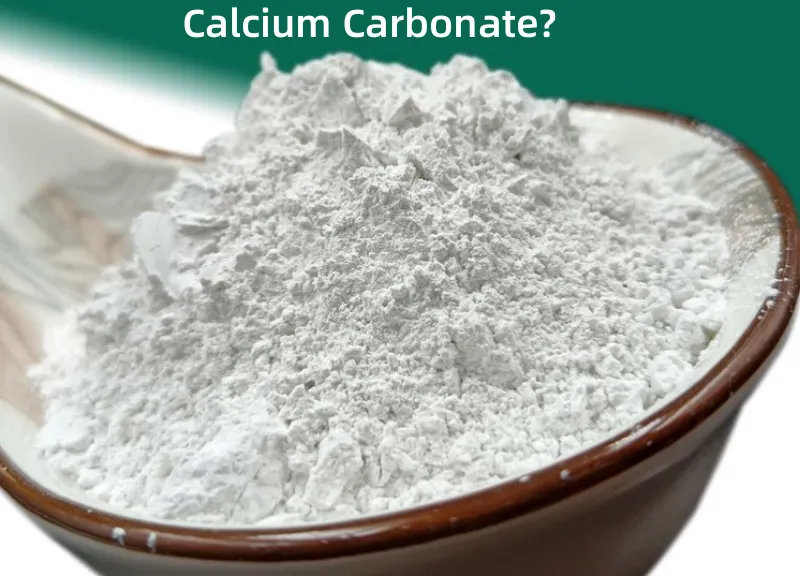
Q: What is Calcium Carbonate? Sounds Like Chemistry!
Don’t worry! It’s your everyday “old friend” — the main component of limestone, the “armor maker” of eggshells, and the secret behind the shine of pearls. Its chemical formula is calcium carbonate (CaCO₃), a generous mineral gift from nature.
Q: What are Its “Alter Egos”?
- Calcite (transparent Iceland spar, used for optical instruments)
- Aragonite (major material in coral reefs)
- Vaterite (the “transformer” in laboratories)
- Chalk (marine sediment from the dinosaur era)
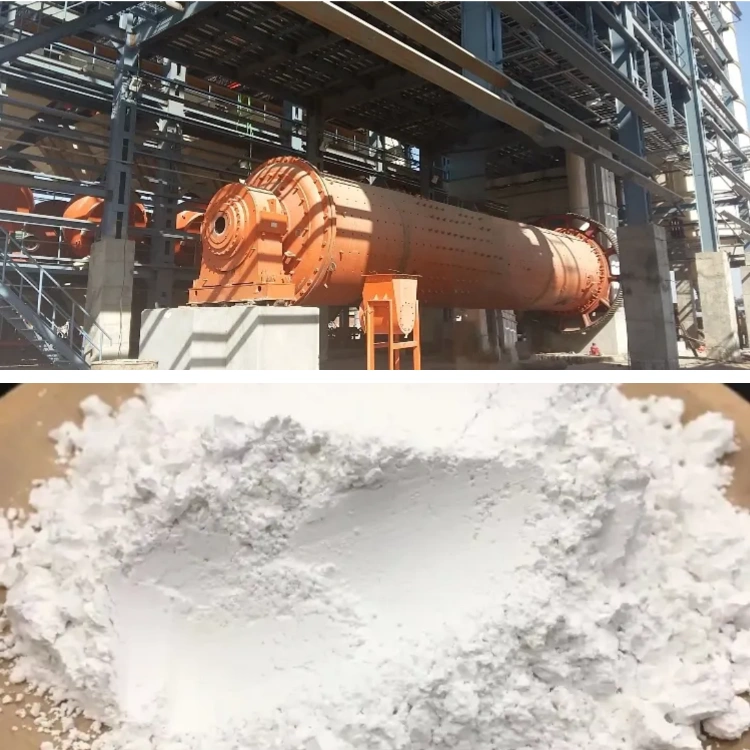
Q: What are the main types of CaCO₃?
The main types of calcium carbonate include:
- Natural calcium carbonate: Extracted from natural ores like limestone, commonly used in construction and industrial applications.
- Ground Calcium Carbonate (GCC): Larger particles produced through mechanical grinding, widely used in plastics, rubber, coatings, etc.
- Precipitated Calcium Carbonate (PCC): Smaller particles produced chemically, often used in high-end applications like pharmaceuticals and the food industry.
What equipment is used to grind calcium carbonate?
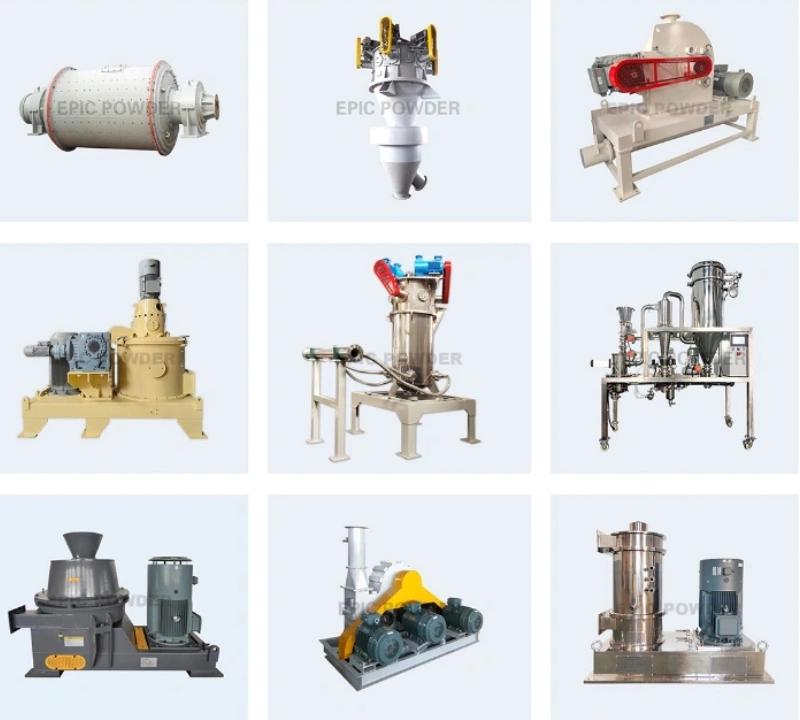
To prepare CaCO₃, various grinding equipment is used depending on the required particle size and application. Commonly used machines include:
- Ball mills: Ideal for producing larger particles and grinding at high volumes.
- Air classifier mills: Used for fine and ultrafine grinding, where precise particle size classification is required.
- Jet mills: Perfect for producing ultra-fine powders, often used for high-purity calcium carbonate.
- Roller mills: Suitable for medium to fine grinding, offering efficient energy use.
- Vibrating mills: Useful for fine grinding and achieving a narrow particle size distribution.
Q: What are the Applications of Calcium Carbonate?
Plastic industry: Calcium carbonate is used as a filler in plastics to increase strength, reduce costs, and improve processing performance.
Coatings and paints: Adding CaCO₃ to coatings enhances film coverage and durability.
Paper industry: It is used as a filler or coating agent in paper production, enhancing brightness and smoothness.
Construction materials: CaCO₃ is a key component in cement, concrete, and plaster.
Agriculture: As a soil amendment, CaCO₃ increases soil pH and promotes plant growth.
Q: What are the Advantages of CaCO₃?
Cost-effective: CaCO₃ is abundant and inexpensive, making it suitable for large-scale production.
Environmentally friendly: As a natural mineral, it is eco-friendly and widely used in sustainable industries.
Improves material properties: It enhances strength, smoothness, and reduces thermal expansion in various industrial applications.
Q: Why is Calcium Carbonate Added to Toothpaste?
It serves three key functions:
- Mild abrasive (for physical cleaning)
- Acid-base regulator (to neutralize oral acidity)
- Calcium booster (strengthening enamel). For sensitive teeth, calcium hydrogen phosphate is a better choice!
Q: Does taking calcium tablets mean eating rocks?
Smart! But purified CaCO₃ tablets contain up to 40% calcium, and when paired with vitamin D, absorption is better. However, people with low stomach acid should prefer calcium citrate, a fact often emphasized by doctors!
Q: How do you “turn limestone into gold”?
High-temperature calcination transforms limestone into quicklime (CaO) → reacts with water to form slaked lime (Ca(OH)₂) → absorbs carbon dioxide and turns back into CaCO₃. This “calcium cycle” magic powers key industries like cement, steelmaking, and wastewater treatment.
Q: What is Nano Calcium Carbonate Technology?
It reduces particle size to 1/5000th of a hair’s width! This makes plastics more wear-resistant, paints whiter, and rubber more age-resistant. Guangxi, China, now produces 60% of the world’s nano-calcium, making it the “white gold” comeback.
Q: How does EPIC Powder Help with CaCO₃ Processing?
EPIC Powder offers advanced powder processing equipment, such as air classifier mills, ball mills, and surface modification systems, to help clients efficiently produce CaCO₃ powders that meet various industry needs. With precise particle size control and surface modification technology, EPIC Powder enhances the performance of calcium carbonate in diverse applications.